
Researching local window replacement companies involves gathering factual information about providers, their products, and their installation practices to make an informed comparison. The process typically covers verifying contractor credentials, examining types of window materials and frames, understanding installation methods, and reviewing warranty and service provisions. Attention to written estimates, timelines, and evidence of licensed work helps clarify what a project may involve. Researching local providers also often includes comparing customer feedback and documented examples of previous installations to assess consistency in workmanship and communication.
When focusing on local providers, research commonly includes confirming that a company carries relevant licenses and insurance, asking for itemized estimates, and noting whether installation crews follow recognized procedures. Local permitting requirements and inspection processes can affect project timing and responsibilities, so prospective clients may review how a provider manages permits and municipal inspections. Comparing multiple providers on similar scope and specifications can reveal differences in proposed materials, labor approaches, and warranty coverage without implying any single approach is universally superior.
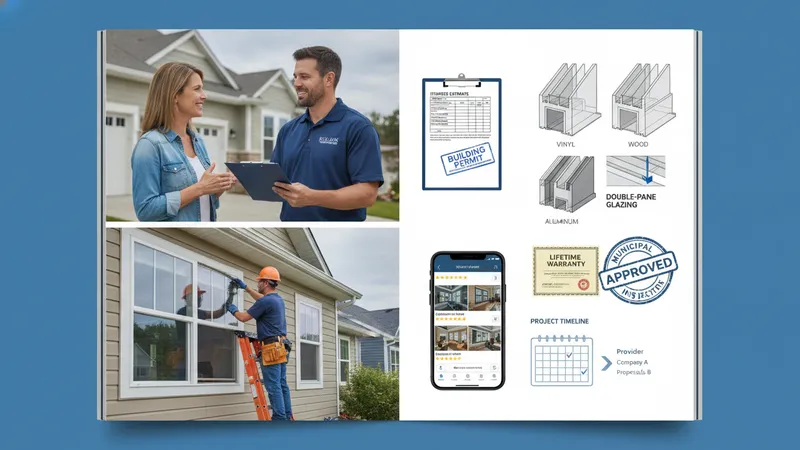
Using online review platforms may provide a first-pass filter when researching local window replacement providers. Lists of reviews often include descriptions of scheduling, cleanup, and communication that can highlight consistent behaviors across projects. However, online feedback can include a mix of detailed and brief reports, so it can be useful to cross-check reviews with photographic examples or referenced addresses where permissible. Aggregated feedback typically serves as one component of research rather than a definitive assessment, and many planners combine online findings with direct references and documented work histories.
Consulting local licensing boards and trade associations can offer a factual check on registration, licensing classifications, and complaint records when available. Licensing information often clarifies whether a contractor is permitted to perform specific types of window work or requires a subcontractor for elements such as structural repairs. Trade association membership may indicate adherence to a set of professional guidelines, though membership alone does not guarantee performance. Verifying licensing status and any recorded complaints or disciplinary actions may therefore be a practical step in assessing a provider’s formal standing.
On-site estimates and contractor interviews often reveal practical differences in product selection and installation technique. During an on-site visit, a contractor may indicate whether openings will require full-frame replacement, sash replacement, or additional structural work, and may discuss flashing, insulation, and exterior finishing. Comparing multiple on-site proposals using consistent scope and product specifications can make differences in labor, materials, and timeline clearer. These in-person discussions also provide opportunities to request documentation for product specifications and warranty terms that may not be detailed in a brief online listing.
Collecting and comparing these sources of information may reduce uncertainty about what a window replacement project could entail. Cross-referencing online feedback with licensing checks and in-person proposals can provide a more complete picture of a provider’s typical processes, communication patterns, and responsiveness to unexpected site conditions. This layered approach does not guarantee outcomes, but it can help clarify trade-offs in product selection, installation methods, and service arrangements. The next sections examine practical components and considerations in more detail.
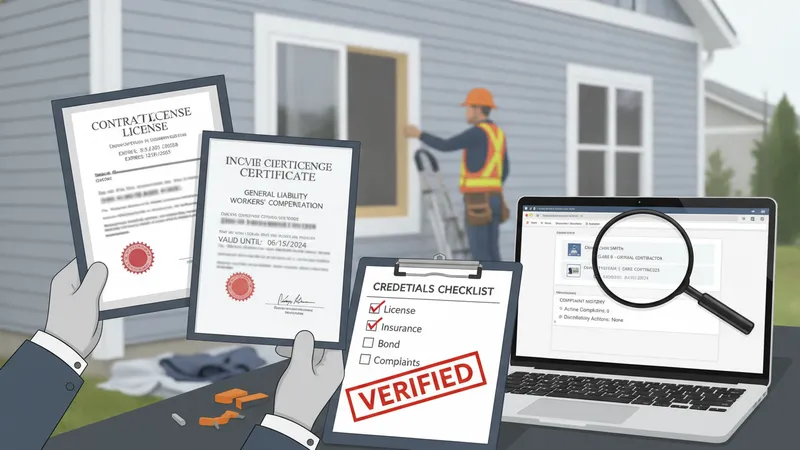
Credentials and licensing may indicate whether a provider is authorized to perform specific types of exterior renovation work. Many jurisdictions require contractors to hold a classification or license for construction, roofing, or remodeling; these classifications can vary by locality. Verification commonly involves checking a public licensing database or requesting license numbers directly from the provider. Insurance coverage is typically documented separately and often includes general liability and workers’ compensation; confirmations may be requested to verify that a project is covered for accidental damage or on-site injuries during installation.
When reviewing licensing records, it may be helpful to note the license category, expiration date, and any active complaints or disciplinary actions. Some local authorities publish complaint histories or arbitration outcomes that provide factual context. Bonding status may also be disclosed and could indicate that a financial instrument was established to cover certain contractor obligations. These records may not measure craftsmanship directly, but they can clarify legal standing, permit responsibility, and whether a provider is registered to perform the specific installation tasks proposed.
Insurance details can influence project risk allocation and may shape contract terms. General liability insurance typically covers property damage caused by contractor operations, while workers’ compensation may cover on-site injuries to employed installers. For larger projects, some clients may examine whether subcontractors are covered and whether the certificate of insurance lists the project address. Asking for documentation is a common step to confirm coverage scope and effective dates; this information may then be referenced in the written contract to specify responsibilities related to unexpected events during installation.
Verification steps may include searching official licensing portals, contacting local building departments about permit history, and requesting proof of insurance with named coverages. These checks often form part of a broader research routine that also examines past project photos and client references. While licensing and insurance do not directly certify aesthetic or functional outcomes, they may clarify regulatory compliance and the administrative framework within which a provider operates. Readers may consider these factual checks as foundational elements before evaluating other aspects such as materials and scheduling.
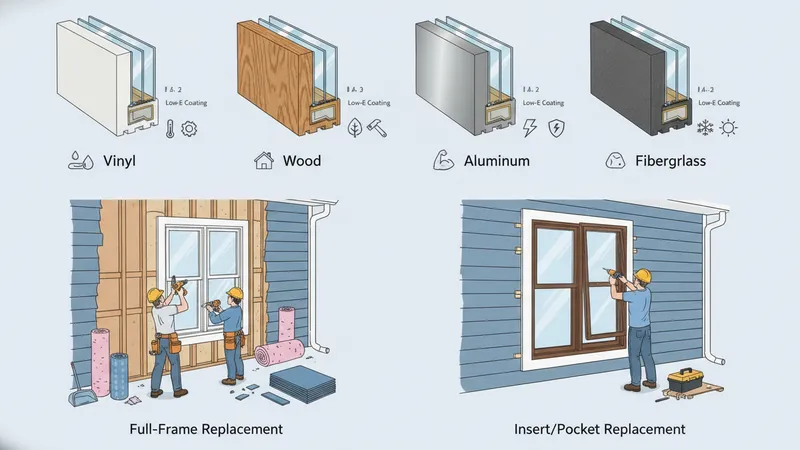
Window replacement research often addresses the properties of common frame and glazing materials. Widely used materials may include vinyl, wood, aluminum, and fiberglass, each with typical strengths and maintenance considerations. Vinyl often emphasizes low maintenance and cost-effectiveness; wood can offer traditional aesthetics but may need more maintenance; aluminum may provide structural strength with slimmer profiles; fiberglass can combine dimensional stability with moderate maintenance. Understanding these material attributes may help clarify trade-offs between durability, appearance, thermal performance, and long-term maintenance needs.
Installation methods commonly discussed in local research include full-frame (complete unit removal) and insert or pocket replacement (retrofitting a new unit into an existing frame). Full-frame installations often require more extensive exterior and interior finishing and may be recommended where frames or surrounding trim are deteriorated. Insert replacements can be less invasive when existing frames are sound. Both approaches may affect project duration, cost composition, and the need for additional repairs; in-person evaluation typically determines which method is appropriate for specific openings.
Glazing options such as double-pane, triple-pane, low-emissivity coatings, and gas fills may also be compared during research. These features can influence thermal and acoustic performance, condensation behavior, and potential energy-effect relationships. Product literature often specifies U-factor and solar heat gain coefficient values that may be compared to understand likely thermal characteristics; however, field performance can vary with installation quality. Considering both product specifications and the proposed installation approach can yield a more balanced view of expected operational characteristics.
When comparing materials and methods, it may be useful to request product data sheets and installation details from each provider. These documents often specify manufacturer recommendations for flashing, fastener placement, and sealants—elements that can influence long-term performance. Cross-referencing manufacturer installation guidelines with the contractor’s described approach may reveal alignment or differences in technique. Such comparisons typically serve to clarify whether quoted methods match accepted installation practices for the chosen product type.

Estimates for window replacement projects frequently break down labor, materials, permit fees, and any additional site-preparation work. Itemized proposals can make it easier to compare how providers allocate costs for product, installation time, and finishing. Some estimates may include contingency items for unforeseen repairs, while others present a fixed scope that excludes additional work. Requesting a written scope that names product models and installation approach may reduce ambiguity; however, the final price and schedule can still shift if hidden conditions or structural issues are discovered during removal.
Project timelines may vary with scope, installation method, supply chain factors, and permitting requirements. Typical schedules may involve lead times for ordered products, on-site removal and installation windows, and any required exterior finishing or inspection. Delays can arise from weather, availability of specialty materials, or coordination with building officials for inspections. When comparing timelines among providers, considering how each firm schedules work and manages contingencies may illuminate differences in expected completion patterns rather than precise guarantees.
Warranty arrangements often include separate manufacturer warranties for the product and installer warranties for labor or workmanship. Manufacturer warranties may cover defects in materials under specified conditions, while installer warranties can address improper installation for a defined period. Reading the fine print on warranty documents is commonly advised to understand coverage limits, required maintenance, and claim procedures. Warranties may include exclusions for issues such as improper maintenance or damage from external forces, so clarity on the scope and duration of each warranty element can be informative.
Comparing estimates and warranty terms side by side can help clarify which proposals include defined remediation processes for defects or installation concerns. Some providers may outline service response policies for repairs and specify whether warranty service includes on-site inspection, replacement parts, or labor. These details can shape expectations about aftercare and dispute resolution. Treating estimates and warranties as interrelated elements rather than isolated figures may support a more comprehensive assessment of a proposed project.
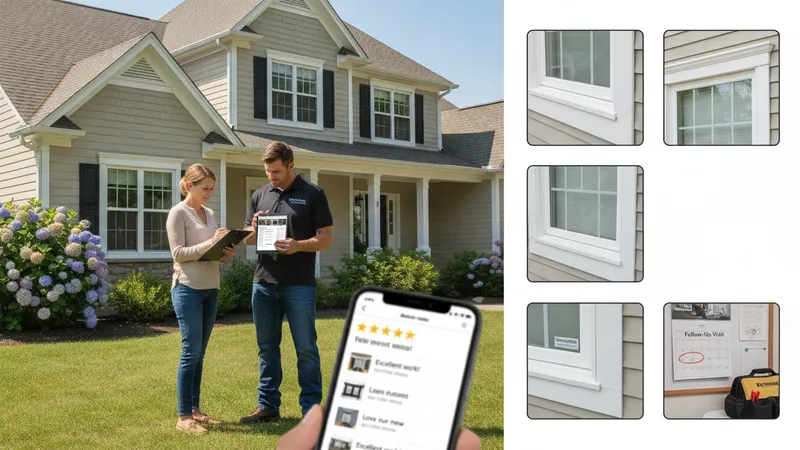
Customer feedback and direct references commonly play complementary roles in researching local window replacement companies. Public reviews may offer a range of experiences that highlight recurring strengths or issues, while references provided by a contractor can supply specific project examples with dates, product types, and contactable clients. When evaluating feedback, distinguishing between isolated complaints and repeated patterns may help identify consistent operational practices related to punctuality, cleanup, and responsiveness to concerns.
Asking for references that include project photos and permission to view completed work where feasible may provide clearer insight into workmanship and finish details. References often describe how a provider handled unexpected site conditions, scheduling changes, and final adjustments. Observing completed installations—whether via provided photos or onsite visits where appropriate—can illustrate how well finishing work aligns with initial proposals, and whether flashing, trim, and sealing appear consistent with manufacturer guidance and local building practices.
Post-installation service considerations commonly include follow-up inspections, maintenance guidance, and response timelines for warranty claims. Some providers may describe scheduled check-ups or clearly documented procedures for addressing post-installation issues. Understanding the expected method of communication for service requests, documentation required for warranty claims, and typical response windows can aid in assessing how ongoing support may be managed. These elements often appear in written contract terms or warranty documentation and may be useful to review before finalizing agreements.
Combining public reviews, direct references, and documented warranty practices may produce a more rounded view of a provider’s typical post-installation behavior. While no single source provides a complete guarantee of future performance, triangulating information from multiple types of evidence can clarify likely patterns in communication, remediation, and workmanship consistency. This multi-source approach may help readers set realistic expectations about maintenance and service follow-up after a window replacement project.