
Lutetium PSMA refers to a class of targeted radioligand therapies that pair a radioactive isotope, typically lutetium-177, with a molecule that binds to prostate-specific membrane antigen (PSMA). PSMA is a cell-surface protein that can be expressed at increased levels on prostate cancer cells; a ligand that recognizes PSMA can deliver localized radiation when labeled with lutetium-177. Descriptions of this approach focus on the mechanism of targeted delivery, the role of pre-treatment imaging to confirm PSMA expression, and the clinical contexts in which such therapy may be considered within oncology care pathways.
In clinical descriptions, lutetium-labeled PSMA compounds are administered intravenously and circulate until they bind to PSMA-expressing tissue; the lutetium component emits beta radiation that deposits energy locally. Identification of suitable candidates often relies on PSMA-targeted imaging, laboratory assessment, and multidisciplinary review. Treatment planning typically accounts for prior therapies, renal function, bone marrow reserve, and overall goals of care. The language around expected outcomes is cautious: effects may vary and are typically evaluated through imaging and laboratory markers over time.
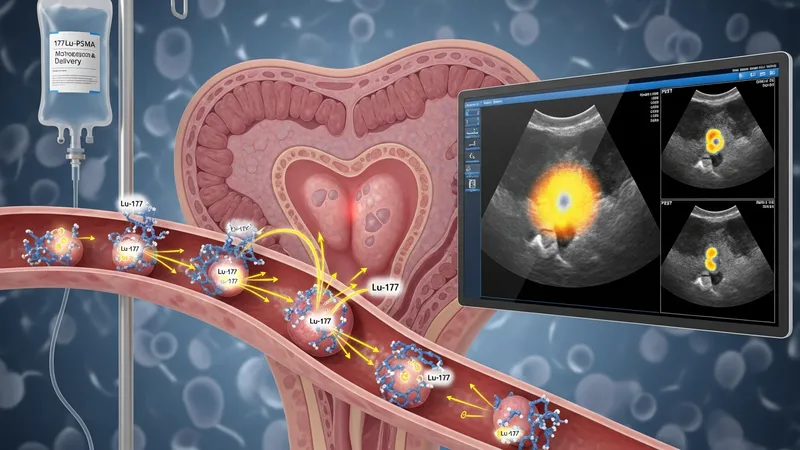
Comparative descriptions in the literature often examine pharmacokinetic differences, ligand affinity, and biodistribution between lutetium-labeled agents. These comparisons typically use observational data and trial reports and may note variability in uptake in normal tissues such as salivary glands and kidneys. Selection of one agent or another can be influenced by local availability, institutional experience, and trial protocols. When reviews summarize potential advantages, they use cautious phrasing: some agents may demonstrate particular biodistribution patterns or logistical characteristics that affect administration and monitoring.
Potential benefits discussed in clinical summaries include targeted dosing to PSMA-expressing tissue and the ability to treat sites that are difficult to address with other modalities; however, outcomes reported in studies vary by patient population, prior treatments, and extent of disease. Authors typically note that measurable responses by imaging or laboratory markers may occur in some patients, while other patients may have limited or transient changes. Literature emphasizes the importance of multidisciplinary assessment and appropriate use of imaging and laboratory follow-up to interpret results in context.
Risk descriptions in clinical reports commonly highlight hematologic effects (reductions in blood cell counts), salivary gland effects such as dry mouth, and transient constitutional symptoms like fatigue or nausea. Renal excretion of radiolabeled compounds leads to attention on kidney function in patient selection and monitoring. Reports also discuss the need for radiation safety precautions for patients and caregivers immediately after treatment, given urinary excretion and low-level external radiation; guidance is framed conservatively and references institutional protocols and national radiation safety guidelines where available.
Clinical frameworks for monitoring after lutetium-PSMA therapy frequently include regular blood counts, renal function tests, and interval imaging with PSMA PET or conventional modalities to assess distribution and response. Timing and interpretation of follow-up studies are described as variable across protocols; some centers assess response after a set number of cycles, while others individualize assessment intervals. Long-term data remain limited in many series, and publications often underscore ongoing data collection in registries and trials to better characterize durability of response and late effects.
In summary, lutetium-labeled PSMA therapies are characterized by targeted delivery of radiation to PSMA-expressing tissue, reliance on diagnostic PSMA imaging for patient selection, and a monitoring framework that emphasizes hematologic and renal safety. Descriptions in the literature use cautious language about potential benefits and risks and typically recommend multidisciplinary evaluation. The next sections examine practical components and considerations in more detail.

Diagnostic imaging with PSMA-targeted PET tracers is central to identifying candidates for lutetium-PSMA therapy. Imaging reports describe the pattern and intensity of PSMA uptake across lesions and in normal organs; concordant high uptake in lesions relative to background often factors into candidate assessment. Reports frequently note that detection sensitivity may increase with higher tumor burden or biomarker levels, while small-volume or heterogeneous disease can complicate interpretation. Imaging findings are typically reviewed alongside clinical history, laboratory results, and prior treatments to determine appropriateness for radioligand therapy.
Pre-treatment workup usually includes baseline laboratory tests such as complete blood count and markers of renal and hepatic function. Publications emphasize evaluation of bone marrow reserve because hematologic toxicity may occur; prior exposure to cytotoxic chemotherapy or extensive marrow involvement can influence risk assessment. Renal function assessments matter for agents with renal excretion. Authors commonly advise documenting baseline symptoms and supportive needs to enable comparison over time, framing these steps as part of a comprehensive eligibility evaluation rather than as prescriptive mandates.
Imaging quality and standardization across centers are topics of ongoing discussion in reviews. Variability in tracer selection, imaging protocols, and reporting criteria can affect decisions about eligibility and response assessment. Some papers describe standardized reporting systems that aim to reduce interobserver variability, and others call for harmonized protocols for serial imaging when monitoring response. These considerations likely influence how institutions implement candidate selection and how multicenter studies align inclusion criteria.
Case series and cohort descriptions often present examples of typical selection pathways: confirmation of PSMA uptake on PET, assessment of marrow and renal function, and multidisciplinary review including nuclear medicine, medical oncology, and radiation safety specialists. These examples are presented as illustrative rather than definitive; authors usually recommend that selection practices be adapted to local resources, clinical trial availability, and evolving evidence. Readers are encouraged to interpret selection pathways as frameworks that may vary between institutions.

Descriptions of administration outline that lutetium-PSMA agents are delivered intravenously in an outpatient or inpatient setting depending on institutional practice and regulatory context. Treatment cycles in clinical studies are often separated by several weeks to allow recovery of blood counts and to monitor for early adverse effects; for example, many protocols use 6–8 week intervals, though timing may vary. Dosing has been studied across different activity levels and schedules; comparative data are typically reported with caution, highlighting variability in patient tolerance and institutional protocols rather than asserting a single optimal regimen.
Supportive measures reported in clinical series commonly include antiemetic prophylaxis and hydration, tailored to patient needs. Hematologic monitoring is typically performed before each cycle to inform the decision to proceed, pause, or adjust dosing; thresholds for delays or dose modifications are usually defined within trial protocols or institutional guidelines. Authors often describe coordination with transfusion services or supportive care teams when cytopenias occur, presenting these as expected components of care rather than as universal outcomes.
Concurrent or sequential use of other systemic therapies is discussed in observational reports and trial designs. Some studies investigate combining or sequencing lutetium-PSMA with hormonal therapies, chemotherapy, or immunotherapy, and those reports emphasize evaluation of overlapping toxicities and the need for careful safety monitoring. Presentations of combined approaches use tentative language: combinations may be under study to evaluate safety and potential additive effects, but evidence is evolving and heterogeneity in study designs limits broad conclusions.
Operational considerations described in the literature include pharmacy and radiation safety workflows for preparing radiolabeled doses, as well as transport and storage requirements governed by regulatory and institutional policies. These logistical aspects influence scheduling, staffing, and patient flow. Discussions present these considerations as practical factors that institutions weigh when implementing lutetium-PSMA programs, rather than as endorsements of specific operational models.

Clinical descriptions of adverse events emphasize hematologic toxicity, including reductions in red cells, white cells, and platelets; monitoring schedules and management approaches are typically reported within the context of trial protocols. Salivary gland effects, such as dry mouth, are frequently noted because salivary tissue can take up PSMA ligands, and these symptoms may affect quality of life. Constitutional symptoms like fatigue and nausea are commonly described as transient in many series. Authors use cautious language about frequency and severity, often presenting ranges from published cohorts without implying universality.
Radiation safety considerations are a recurring element in practical reports. Because lutetium-177 emits beta particles with some external dose rate and because radiolabeled compounds are cleared in the urine, institutions outline precautions for waste handling, patient hygiene, and short-term interactions with household contacts. Guidance in papers and institutional protocols typically frames these as measures to minimize exposure consistent with national radiation protection standards, and such guidance is presented as variable depending on regulatory jurisdiction and institutional policy.
Longer-term risks and uncertainties are discussed with emphasis on limited long-term follow-up in many series. Publications often call for registries and extended monitoring to clarify late effects on marrow, renal function, and potential secondary malignancy risks, while acknowledging that current data are emerging. This cautious framing helps readers understand that available evidence supports certain short-term safety profiles but that comprehensive long-term characterizations are still being developed.
Mitigation strategies described in literature include dose adjustments, interval monitoring, and symptom-directed supportive care. Some centers report using salivary gland protection strategies or modified hydration protocols to reduce non-target uptake and urinary concentration, though results are heterogeneous and frequently described as preliminary. Overall, safety discussions prioritize individualized assessment and structured monitoring rather than universal prescriptions, and they encourage ongoing data collection to refine risk mitigation.

Follow-up frameworks in publications combine laboratory surveillance, symptom assessment, and interval imaging. Serial measurements of disease-related biomarkers and complete blood counts are commonly reported at defined intervals to detect hematologic effects and biochemical trends. Imaging schedules vary; some protocols assess response after a fixed number of cycles while others tailor imaging to clinical changes. Reports highlight that imaging interpretations may be influenced by timing relative to treatment and possible inflammatory or reparative changes in lesions.
Outcome assessment descriptions often reference both biochemical and radiographic endpoints. Biochemical markers such as prostate-specific antigen (PSA) are used with caution because changes may lag or vary relative to imaging findings. Radiographic response assessment using PSMA PET or conventional modalities is typically contextualized within clinical status, with multidisciplinary review recommended in reports to reconcile discordant findings. Authors note that standardized response criteria continue to evolve and that comparisons across studies require attention to differing assessment methods.
Data collection and participation in registries or trials are frequently described as important for refining understanding of durability of response and late effects. Observational cohorts and trial follow-ups contribute longitudinal information on patterns of benefit and toxicity, and publications often encourage consistent reporting standards to aid data aggregation. These recommendations are framed as measures to improve evidence quality over time rather than as immediate predictions about individual outcomes.
Multidisciplinary follow-up, including oncology, nuclear medicine, radiation safety, and supportive care teams, is commonly emphasized in the literature as a component of structured post-treatment care. Discussions present multidisciplinary coordination as a means to integrate laboratory monitoring, symptom management, and imaging interpretation. The overall tone in follow-up descriptions is cautious and practical: monitoring strategies may evolve as additional data accumulate, and individualized plans are typically developed in the context of institutional protocols and patient-specific considerations.