
When selecting companies that provide heavy machinery and process equipment, the central task is assessing how reliably those companies deliver functional systems and components. This assessment typically examines supplier track record, technical knowledge, product specifications, and the systems they use to ensure performance over time. Reliability refers to consistent operation and predictable maintenance needs; quality refers to material standards, tolerances, and adherence to specified performance parameters. Together these attributes shape expected uptime, lifecycle costs, and the need for aftermarket support.
Evaluating these providers often involves comparing documented evidence such as case histories, test reports, and certifications alongside observable indicators like factory inspections and reference-site visits. Buyers commonly group evaluation criteria into categories: supplier competence, product engineering and materials, verification practices, post-delivery service, and commercial terms that affect total cost of ownership. Focusing on these categories helps convert general concerns about “who to buy from” into measurable checkpoints and practical information for procurement discussions.

Supplier experience and demonstrated expertise may be evaluated by reviewing project histories, staff technical qualifications, and partnerships with component manufacturers. For example, compressors and pumps used in continuous processes often require vendors to show experience with similar duty cycles and environmental conditions. Machine-tool suppliers may document metrology capabilities and application engineering resources. Such documentation typically complements site references and can be weighted as part of a comprehensive supplier assessment framework rather than taken alone as decisive evidence.
Product quality and specifications commonly include material selection, machining tolerances, and component traceability. For centrifugal pumps, corrosion-resistant alloys or coatings may be specified for corrosive fluids, while compressor packages may list rated motor efficiencies and cooling methods. Machine tools commonly list accuracy metrics such as positional tolerance and thermal compensation features. Manufacturers may provide datasheets and material certificates that can be cross-checked against project requirements to reduce ambiguity during specification and procurement stages.
Certifications and standards often serve as a baseline for minimum acceptable practice. Suppliers may hold ISO 9001 for quality management, ISO 14001 for environmental systems, or industry-specific approvals that relate to pressure vessels, electrical safety, or pressure equipment directives. Relevant test reports such as hydrostatic tests for pumps or vibration and balance reports for rotating equipment may be requested. Compliance documents can indicate formal processes, but evaluators typically treat them as part of a broader evidence set that includes operational performance and inspection records.
Warranty terms, service support, and spare parts availability affect lifecycle reliability and practical maintenance planning. Suppliers may offer varying warranty periods and structured service agreements that include preventive maintenance schedules and parts lists. For example, compressors often have recommended overhaul intervals and replaceable element kits; CNC tool suppliers may provide spare subassemblies and retrofit options; pump vendors may publish spare-parts lead times. Understanding typical lead times and spare-parts networks can reduce operational risk and inform contingency planning.
In summary, assessing companies that supply industrial machinery involves structured review of supplier competence, product engineering, standards compliance, and aftermarket support. Using measurable checkpoints—such as performance datasheets, certifications, test reports, and spare-parts policies—can help clarify vendor claims and inform procurement discussions. The next sections examine practical components and considerations in more detail.
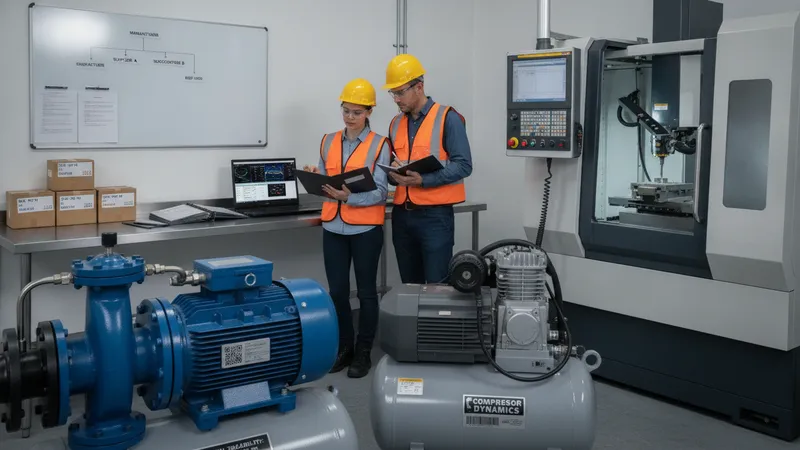
Supplier experience may be evaluated by examining project portfolios, relevant installations, and staff qualifications. For centrifugal pumps, useful indicators include documented installations in similar fluid-service conditions and availability of application engineering support for sizing and materials selection. For CNC machines, evidence of calibration processes and retained metrology standards can signal attention to precision. Suppliers that maintain detailed installation and commissioning records often show a pattern of technical capability, but such records should be examined alongside third-party references where possible.
Manufacturer partnerships and subcontractor arrangements often influence equipment quality and lead times. A compressor supplier that sources compressors from established component manufacturers may provide clearer parts traceability and standardized maintenance kits. For CNC systems, partnerships with control-system vendors can affect software updates and spare-controller availability. Understanding these upstream relationships typically clarifies who is responsible for support and what documentation accompanies delivered systems.
Site visits and factory acceptance tests are practical tools to assess capability before procurement. Observing assembly practices, quality-control stations, and test-bench outputs for pumps or compressors can reveal process discipline that is not visible in datasheets. For CNC machine tools, witnessing a performance cut or positional accuracy test can provide direct evidence of machine behaviour under load. These evaluations often require coordination and modest lead time but can reduce uncertainty about supplier claims.
Insider considerations include requesting background on engineering change control, staff turnover in technical teams, and access to retrofit options. High staff turnover may affect institutional knowledge about specific product lines, while clear change-control records indicate traceable modifications. Asking about spare-parts stocking policies and local service representation often helps align expectations for maintenance and reduces operational interruptions. These considerations may typically influence supplier selection alongside technical evidence.
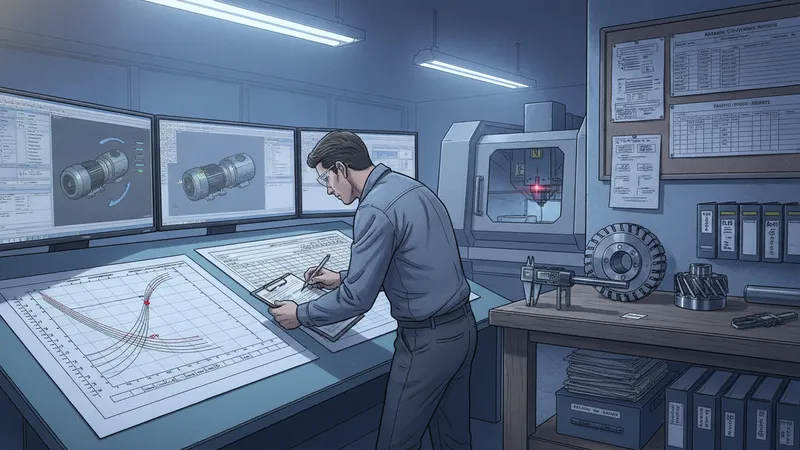
Technical specifications should align with intended service conditions and production targets. For centrifugal pumps, reviewers typically compare pump curves against expected system head and flow, as well as verify materials against chemical compatibility. For compressors, specification review often covers duty cycles, lubrication systems, and the rated efficiencies of motor drives. CNC machines require clarity on positional tolerances, thermal stability, and tooling interfaces. Detailed specification alignment reduces the risk of equipment being undersized or mismatched for process needs.
Material traceability and manufacturing tolerances are common quality indicators. Certificates of conformity and material test reports (MTRs) can confirm alloy grades and heat-treatment status for critical components. For rotating equipment such as compressors and pumps, balancing reports and surface-finish documentation may be requested. For CNC machines, positional accuracy certificates and laser-alignment proofs are often relevant. These documents may typically be requested during procurement to validate that delivered goods meet specified characteristics.
Industry standards and third-party approvals provide structured benchmarks for product evaluation. Standards such as API for rotating equipment or ISO norms for manufacturing processes may be referenced to set expectations. While standards do not replace application-specific engineering assessments, adherence to recognized standards often means suppliers operate within accepted industry practices. Evaluators commonly use standards as checkpoints within a broader verification plan rather than sole determinants of suitability.
Practical tips include comparing equipment performance curves under operating temperatures similar to the installation site and confirming whether quoted tolerances reflect measured rather than nominal values. Clarifying whether material certificates are traceable to batch numbers and whether test reports were conducted by in-house or independent laboratories can reduce ambiguity. Such focused checks often reveal variations that matter for long-term reliability and maintenance planning.

Pre-delivery testing and inspection procedures help validate functional performance and reduce commissioning delays. Factory acceptance tests for pumps and compressors often exercise the unit at multiple operating points, while CNC machines may undergo precision cuts and control verification. Test reports that include measured outputs, vibration signatures, and temperature rise data provide tangible evidence of equipment behaviour prior to shipment. Evaluators typically request these reports and compare them against contract specifications.
Warranty scope and post-sale service structures influence expected lifecycle outcomes. Warranties may cover manufacturing defects for set periods and may specify conditions that void coverage, such as improper installation. Service support arrangements—ranging from remote troubleshooting to scheduled on-site visits—affect downtime exposure. For equipment with critical duty profiles, longer service agreements with defined response metrics may be considered; however, such choices are often balanced against total cost considerations and local service availability.
Spare parts availability and logistics are practical reliability levers. Common spare categories include wear parts, consumables, and critical rotating components that require periodic replacement. Suppliers that publish exploded views and parts lists with typical lead times allow maintenance planners to forecast inventory needs. For high-utilization items like compressors and pumps, stocking certain critical parts on-site or via local distributors can reduce downtime, though inventory decisions typically weigh forecasted usage against holding costs.
Operational considerations include asking whether spare parts are interchangeable across model series and whether suppliers provide parts kits for routine overhauls. Also inquire about typical lead times for non-stock items and whether local distributors hold critical spares. Examining past lead-time records, when available, and factoring in transportation constraints can inform reasonable expectations for repair turnaround and influence contingency strategies.
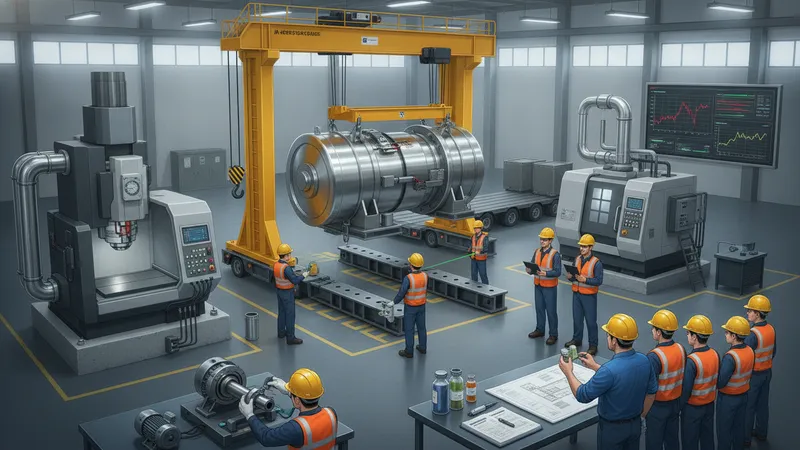
Delivery and installation arrangements affect the timeline to productive operation and often interact with warranty conditions. For large compressors or pumps, coordinated logistics for heavy-lift transport and on-site alignment are common requirements. CNC machines may require foundation work or environmental controls for thermal stability. Contracts commonly specify installation responsibilities, acceptance tests, and handover documentation; clear delineation of these elements typically reduces risk during the commissioning phase.
Maintenance offerings and technical assistance frameworks influence operational reliability. Preventive maintenance schedules, remote-monitoring options, and documented troubleshooting guides can reduce unscheduled downtime. For rotating equipment, vibration monitoring and oil-analysis programs may be recommended to detect early signs of degradation. Suppliers that provide structured maintenance documentation and training for on-site technicians often enable better knowledge transfer, though the presence of such documentation should be evaluated for completeness and practical applicability.
Pricing and total cost considerations typically extend beyond initial purchase price to include installation, spare parts, energy consumption, and projected maintenance. For compressors and pumps, rated efficiencies and duty-point alignment affect energy usage; for CNC machines, throughput and tooling costs influence operating expense. Estimating lifecycle costs using conservative assumptions about maintenance intervals and spare-parts consumption can help compare suppliers on a more consistent basis rather than solely on headline price figures.
Selection criteria commonly combine technical fit, supplier evidence, service arrangements, and lifecycle economics. Useful considerations include the availability of local technical support, documented test results, transparent spare-parts lists, and clear warranty terms. Evaluators often weight these factors according to operational priorities—such as minimizing downtime or achieving tight tolerances—and document the rationale for choices to support objective procurement decisions. Continued review of supplier performance after selection may inform future sourcing adjustments.

Supplier reputation is often inferred from consistent delivery of specified performance, responsiveness to technical issues, and longevity of installed equipment. Reference checks that focus on similar applications—such as compressors in continuous-process plants or CNC tools in precision manufacturing—may yield practical insights about long-term behaviour. Independent third-party inspection reports and customer testimonials that describe measured outcomes can supplement reputation indicators and help form a more balanced view.
Structured evaluation frameworks may include weighted scorecards that assign measurable criteria to aspects such as technical fit, inspection evidence, spare-parts logistics, and service response. Using uniform documentation requests—databases of test reports, certificates, and parts lists—allows clearer comparisons across suppliers for the same equipment families introduced earlier (compressors, CNC machines, pumps). These frameworks typically help procurement teams reduce subjectivity and document decision rationales.
Ongoing performance monitoring after purchase supports continuous reliability improvements. Routine data collection—operating hours, vibration trends, mean time between failures, and spare-parts consumption—can inform maintenance strategy adjustments and future supplier conversations. For high-use assets, establishing key performance indicators aligned with operational objectives may help track whether supplier commitments translate into expected performance over time.
In closing, evaluating suppliers of industrial machinery involves integrating technical documentation, testing evidence, service structures, and pragmatic logistics into a structured assessment process. Focusing on measurable criteria, maintaining clear records, and planning for spare parts and maintenance typically reduces operational uncertainty. Continued attention to supplier performance after installation may refine future selection criteria and support more predictable equipment outcomes.