
A retailer-sponsored auto purchasing program commonly pairs a national membership organization with a network of participating franchised and independent dealerships. The concept centers on creating a defined channel through which members can view and select from an assortment of new and pre-owned vehicles that dealers make available under a consistent process. Participating dealerships often agree to specific paperwork steps, disclosed fees, and a set of vehicle types to improve predictability for members while remaining independent in their inventory and sales operations.
Dealership participation typically spans a range of mainstream domestic and import manufacturers, luxury marques, and increasing numbers of electrified models. Inventory visible through the program may include dealer-new units, manufacturer-certified pre-owned cars, and standard used vehicles. Availability frequently depends on regional dealer stocking, production cycles for particular models, and the presence of certified programs tied to each brand. Membership-based programs do not change factory warranties, but they may standardize how dealers present vehicle options and documentation.

Participating dealerships may list vehicles subject to typical market influences such as regional demand, model year changes, and supply chain conditions. For new vehicles, dealerships usually display standard trims and factory-installed options; for used inventory, certified pre-owned (CPO) programs can add inspection and limited warranty features that vary by manufacturer. Members using these programs can often expect visibility into a curated set of vehicles from several brand families, though exact makes and models available may shift weekly as dealers rotate stock.
Vehicle categories available through participating dealers often reflect consumer demand patterns: compact passenger cars, midsize and full-size SUVs, light-duty and heavy-duty pickup trucks, and vans for cargo or passenger use. Luxury sedans and premium SUVs are typically present in regions with authorized luxury franchise dealers. Electrified powertrains — battery-electric, plug-in hybrid, and conventional hybrid systems — are increasingly included, but availability for specific electric models may depend on local charging infrastructure and manufacturer production allocations.
Pricing approaches within the program can vary. Dealers may present manufacturer suggested retail prices (MSRP), prearranged program pricing that aims to streamline comparison, and separate pricing for certified pre-owned versus standard used vehicles. Typical pricing ranges depend on brand, model, and equipment; for example, compact cars may often be positioned at lower entry ranges while luxury or large pickup models trend toward higher ranges. Financing, leasing, and warranty add-ons remain dealer-specific and are not standardized across all participating locations.
When assessing brand presence across participating dealers, it is common to see large national manufacturers represented at many locations, while certain import and luxury brands may appear less frequently depending on regional franchise coverage. Inventory turnover rates for popular models may be faster, which can affect the variety visible in the program on any given day. Dealers may highlight certified pre-owned inventory that underwent manufacturer-approved inspections; such vehicles often come with documented service history and limited warranty terms defined by the manufacturer.
In summary, a membership-linked auto program that partners with participating dealerships generally offers a cross-section of domestic, import, luxury, and electrified models through dealer networks that maintain their own inventories and sales practices. Availability and pricing typically vary with regional stock, model cycles, and manufacturer-certified programs. The next sections examine practical components and considerations in more detail.
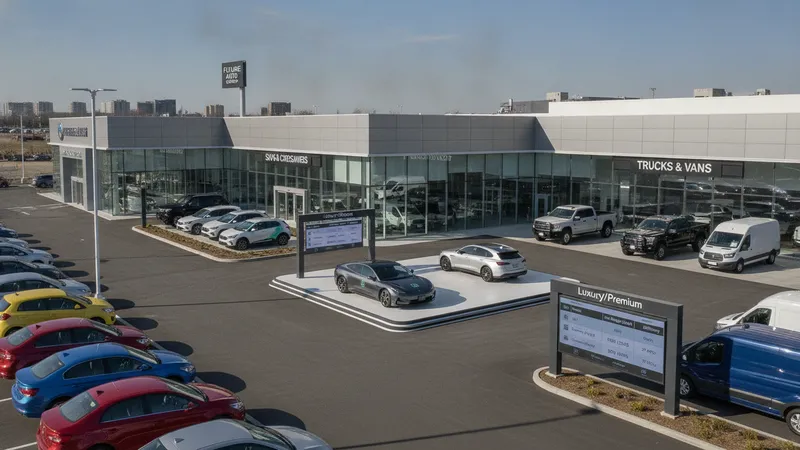
Participating dealerships usually present several broad vehicle categories to reflect varied buyer needs. Passenger cars may include compact, subcompact, and midsize sedans that several mainstream brands produce. SUVs and crossovers cover a wide spectrum from small urban crossovers to larger three-row models. Trucks and vans typically appear as light-duty pickups, heavy-duty pickups, and cargo or passenger vans depending on the dealer’s franchise focus. Luxury and premium categories tend to appear where authorised luxury franchise dealers are part of the network.
Electrified vehicles are often listed within these categories as manufacturers expand their offerings. Battery-electric vehicles (BEVs) and plug-in hybrids (PHEVs) may be present in new-vehicle inventories; hybrids are commonly found across passenger cars and crossovers. The presence of electrified models can vary with regional infrastructure and manufacturer allocation. Dealers often indicate powertrain type and estimated range/efficiency data from the manufacturer, which can help members compare similar models across brands as part of the program’s inventory display.
For used and certified pre-owned sections, categories can align with new-vehicle classes but include broader age and mileage ranges. Certified pre-owned programs are offered by many manufacturers and may impose specific age, mileage, and inspection criteria before a vehicle is certified. These programs can make luxury and mainstream models accessible through additional inspection and warranty coverage that is defined by each brand’s CPO program rather than by the membership program itself.
Regional market patterns affect which categories are emphasized by participating dealerships. In urban areas, compact crossovers and smaller cars may dominate inventories; in rural areas, pickups and full-size SUVs may appear more frequently. Inventory rotation and dealer stocking decisions mean that category representation can change rapidly, so program listings often provide a snapshot that may shift as dealers add or sell vehicles.
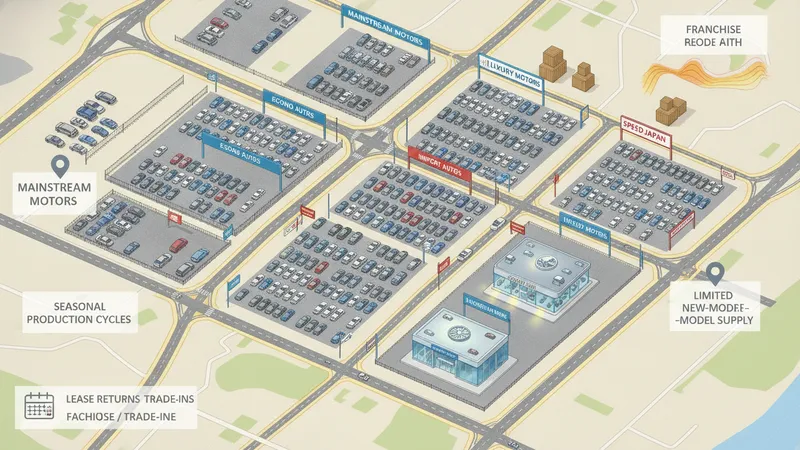
Brand presence in dealer networks is influenced by manufacturer franchise structures and local market demand. National mainstream manufacturers often maintain broad dealer footprints, which results in frequent representation across program listings. Import brands with large franchise networks can likewise appear regularly, though some models may be regionally concentrated. Luxury makes usually appear where dedicated franchise dealers participate. The program’s dealer roster therefore tends to reflect both the geographic reach of brand franchises and the inventory decisions made at the dealer level.
Availability patterns for particular models often follow production cycles and seasonal demand. Popular compact crossovers and well-known sedans typically have steady representation, whereas newly introduced or limited-production models may be less commonly listed. Dealerships supplying used inventory may include trade-ins, lease returns, and unsold new units, which all affect the mix of brands visible to members. Certified pre-owned availability for a given brand may be linked to the manufacturer’s certified program and the prevalence of that brand’s vehicles entering the used market in a region.
Supply chain issues and manufacturer allocation decisions can temporarily change brand availability. For example, models subject to constrained production may be scarce across dealer networks, while high-volume models remain more readily available. Dealers participating in the program generally retain discretion over which vehicles to include; therefore, a program listing represents a cooperative snapshot rather than a comprehensive manufacturer inventory. Understanding these dynamics can provide context when comparing brands across multiple participating dealerships.
Insider considerations include recognizing that franchise agreements and regional stocking influence what dealers list: some dealers prioritize high-turnover models, while others emphasize certified pre-owned inventory for brands with strong resale demand. Members can generally expect mainstream domestic and widely distributed import brands to be most consistently present, with luxury and specialized electric models varying by market and dealer participation. These patterns may help users set expectations for brand availability within the program.
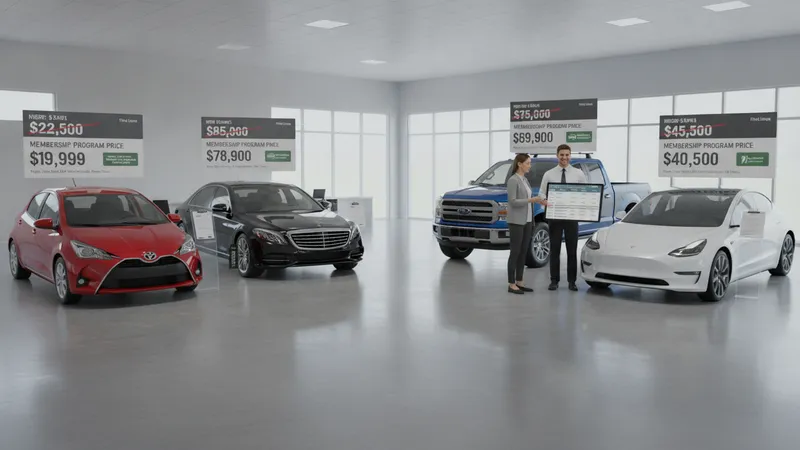
Dealers in membership-linked programs may display various price elements such as manufacturer suggested retail price (MSRP), prearranged program price points, or distinct pricing for certified pre-owned vehicles. Prearranged pricing in such programs is intended to streamline comparison, but dealers still set final sale terms and disclose itemized fees. For certified pre-owned vehicles, pricing often reflects the additional inspection, reconditioning, and limited warranty coverage associated with the manufacturer's CPO program, resulting in a higher price than a comparable non-certified used vehicle in many markets.
Typical price ranges vary significantly by vehicle category and brand. Economy compact cars may often be positioned at lower price brackets, while luxury sedans and large pickup trucks commonly appear at higher ranges. Electrified models, particularly battery-electric vehicles, may have pricing influenced by battery size, trim level, and available incentives; those incentives are determined by external programs and not by the dealer network itself. Dealers may also present optional packages and dealer-installed accessories that alter the displayed price.
Financing and lease options are provided at the dealer level and reflect lender terms, credit qualifications, and manufacturer-supported offers where applicable. Extended service contracts and gap protection are dealer-provided options in many markets; coverage terms and pricing vary by provider. Because participating dealers remain independent sellers, members may encounter differing financing rates, trade-in appraisals, and add-on pricing even within the same program framework.
Comparative pricing across dealers may be useful for evaluating value but should be interpreted with awareness of region-specific taxes, registration fees, and local dealer fees that can influence the final cost. Transparent vehicle listings that include model year, mileage, trim, and equipment details can aid comparison. Members and prospective buyers often benefit from reviewing manufacturer warranty coverage and certified pre-owned terms to better understand how price differences relate to included protections and services.
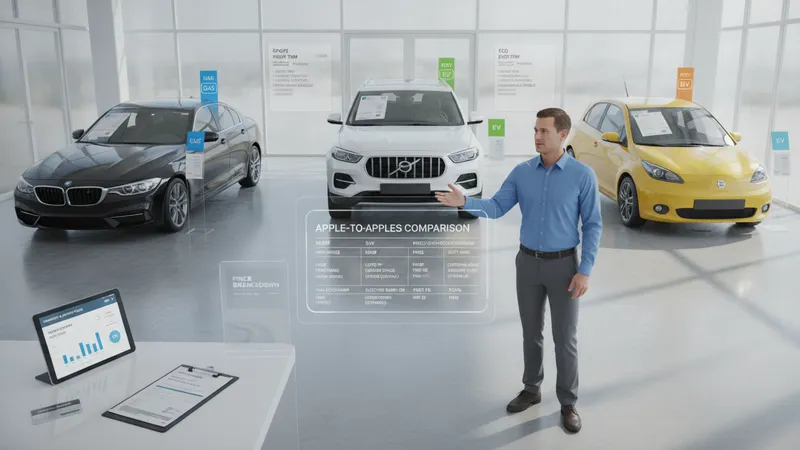
Choosing among participating dealerships often involves evaluating inventory breadth, certified pre-owned offerings, and dealer presentation of vehicle details. Important comparison factors include trim level, standard versus optional equipment, powertrain type, and price transparency. Members may also consider dealer-supplied vehicle history information for used cars, inspection documentation for certified pre-owned units, and clearly disclosed fees. These considerations help create an apples-to-apples comparison across brands and dealers in the program’s listings.
Operational features such as warranty coverage, service plan options, and manufacturer-certified programs should be reviewed when comparing vehicles. Warranty terms are manufacturer-defined and may differ markedly between a new vehicle and a certified pre-owned unit. Additionally, fuel economy, electric range, and expected maintenance patterns are technical attributes that may influence long-term ownership costs and suitability for different driving needs; manufacturers publish these specifications for direct comparison purposes.
Geographic factors can affect dealer selection: proximity to service centers, availability of charging infrastructure for electrified models, and regional specialization in certain vehicle types can influence long-term ownership considerations. Members may weigh the convenience of nearby service and parts support against broader inventory selection available at more distant participating dealerships. Understanding these trade-offs can inform practical selection decisions rather than prescriptive recommendations.
When comparing specific models and brands, assessing total cost of ownership aspects such as fuel/energy costs, routine maintenance expectations, insurance premiums, and projected depreciation may be helpful. These elements often vary by brand, model, and trim. Collecting consistent specification data and service terms from participating dealers supports a measured evaluation of vehicle options within the program framework. Concluding this series, readers may use the detailed sections above to better interpret inventory listings and dealer disclosures when reviewing vehicles offered by participating dealerships.