
Verizon Internet and TV bundles refer to combined service offerings that pair Verizon’s broadband connections with television access and related home-entertainment features. The concept typically covers fiber-optic or fixed wireless internet service alongside a selection of channel lineups, in-home streaming options, and equipment such as set‑top boxes or streaming gateways. Insights into potential 2026 features and service levels focus on how those bundled components may evolve in capacity, integration, and user-facing functionality rather than on specific promotional offers.
In practical terms, examining these bundles involves looking at internet speed tiers, television channel structures, on-demand and DVR capabilities, network hardware, and cross-device streaming support. Analysts and consumers often consider latency and throughput for gaming and video, simultaneous stream counts for households, and interoperability between mobile and home services. Forecasting service levels for 2026 typically centers on incremental upgrades to throughput, more native cloud-based DVR features, and deeper integration of streaming apps within provider-managed platforms.
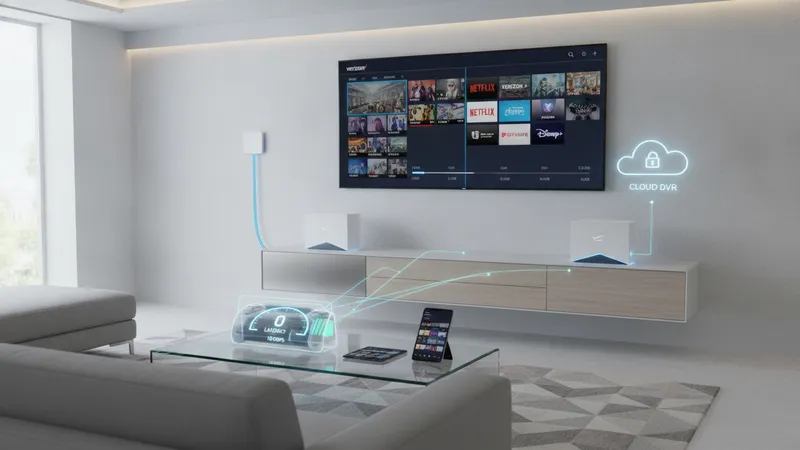
One way to approach comparison among bundle configurations is to focus on measurable service parameters: advertised downstream/upstream speeds, latency performance for interactive applications, the number of concurrent streams supported, and storage limits for cloud DVR. In the United States, regulatory and industry reports often use these metrics to categorize service tiers. When reviewing potential 2026 offerings, stakeholders may look for clearer published limits on simultaneous streams, documented latency targets for fiber versus fixed wireless, and stated cloud storage or retention windows for recorded content.
Another practical aspect is channel and app integration. Bundles that pair internet with TV service often combine curated linear channel groups with built-in access to third-party streaming apps. This may affect how customers navigate content: single-sign-on systems, channel-search integration with streaming catalogs, and unified program guides that include both linear and on-demand items are features commonly described in vendor roadmaps. For 2026, further convergence between operator-managed guides and major streaming platforms may be emphasized in product literature.
Equipment and installation considerations commonly influence perceived value and service levels. For fiber connections, installation may involve an optical network terminal inside the home and a managed gateway; for fixed wireless or 5G home internet, installation often includes a customer premises antenna or gateway. Managed whole-home Wi‑Fi packages may provide mesh nodes with remote monitoring, and DVR options may rely on local set-top storage or cloud DVR. Anticipated 2026 changes often center on more cloud-first DVR models and remote diagnostics to reduce on-site service visits.
Pricing structures and promotional mechanics historically vary by geography and customer class. In the United States, local market competition, municipal franchise arrangements, and incumbent infrastructure shape what bundles are available and at what introductory or recurring price points. When considering future service levels, observers may look for clearer differentiation between base internet tiers and bundled packages that include multiple TV channel groupings or premium streaming access. The next sections examine practical components and considerations in more detail.
Internet speed tiers are a primary determinant of perceived service level in combined Verizon Internet and TV bundles: Insights into Potential 2026 Features and Service Levels. In many U.S. fiber markets, providers offer a range from entry-level broadband (often described near 100 Mbps) up to gigabit and multigigabit plans. For interactive uses such as gaming, videoconferencing, and simultaneous 4K streaming, both throughput and latency matter. By 2026, incremental increases in advertised upstream rates and symmetric offerings may be more common in fiber-served areas, while fixed wireless may emphasize improved average download speeds in communities where fiber deployment is limited.
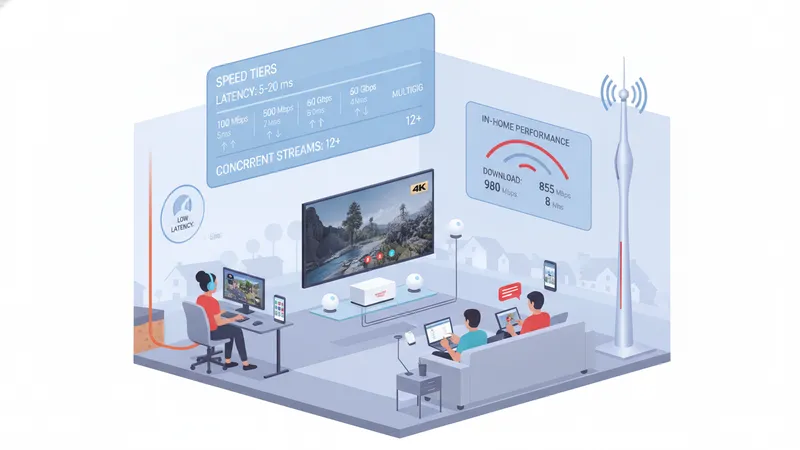
Network performance underload—how throughput holds up with multiple devices—commonly factors into bundle design and customer expectations. Verizon’s managed mesh Wi‑Fi and gateway configurations typically specify concurrent device handling and suggested household sizes for particular speed tiers. In U.S. market documentation, guidance often notes whether a given internet tier will reliably support multiple 4K streams or a mix of video calls and HD streams. Forecasts for 2026 may signal clearer published guidance on concurrent stream counts per tier and more robust tools for end users to measure in-home performance.
Latency and reliability commitments are increasingly discussed in technical specifications and customer-facing materials. For fiber-based services, median latency to common gaming or streaming endpoints may often be under a few tens of milliseconds, while fixed wireless results depend on line-of-sight conditions and local cell-site load. For combined bundles, the interaction between internet transport and TV delivery—particularly for cloud DVR playback or low-latency streaming features—may define perceived quality. Industry observers may expect service-level descriptions to include typical latency ranges or best-effort statements rather than formal uptime guarantees.
Regulatory context in the United States influences how providers frame speed claims and disclosures. The Federal Communications Commission (FCC) maintains guidelines about broadband definitions and reporting that can affect marketing language for bundles. Consumers and institutions often consult FCC resources and provider-disclosed measurement results to compare real-world performance. As part of forward-looking considerations for 2026, more standardized third-party measurement reporting and clearer consumer-facing performance dashboards could appear in bundle documentation to assist comparisons across markets.
Channel lineup structures and streaming app integrations are central to how Verizon Internet and TV bundles: Insights into Potential 2026 Features and Service Levels are experienced. Traditional linear channel groupings are often organized into base and expanded packages, and providers increasingly surface streaming apps inside the same user interface to reduce friction between linear and internet-delivered content. For 2026, documentation and product notes may reflect deeper single-sign-on integration for major streaming services and more unified program guides combining linear and on-demand items.
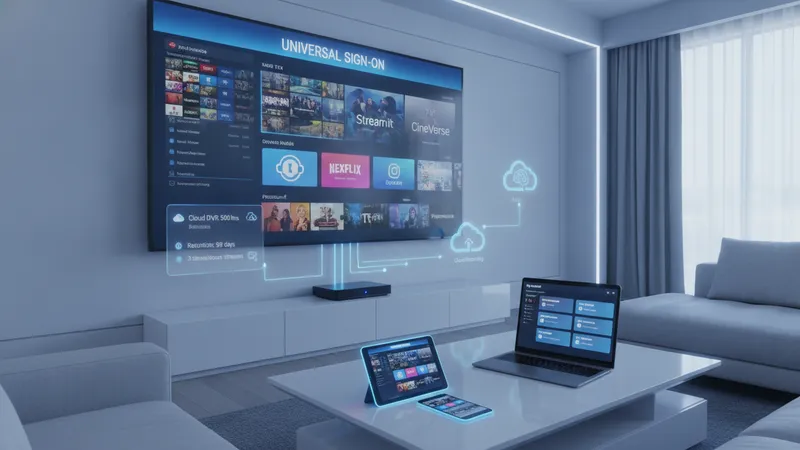
Cloud DVR practices affect how recorded content is stored and accessed within bundles. Some configurations rely on local set-top storage, while others use cloud-based recording with defined retention windows and simultaneous-playback rules. In the U.S. context, cloud DVR capacities are sometimes expressed as hours of HD storage or number of concurrent playbacks; typical ranges seen in market materials vary and may be adjusted over time. Observers examining 2026 service levels may expect clearer published retention policies and cross-device playback allowances tied to specific bundle types.
User interface and navigation features can shape perceived cohesiveness between internet and TV components. For combined Verizon bundles, the interface may integrate voice search, recommendations that blend linear and streaming content, and app launching from the main guide. In U.S. deployments, accessibility features and closed-captioning compliance are also regularly noted. Anticipated 2026 developments could include tighter developer partnerships to surface third-party streaming catalogs inside operator-managed guides with standardized metadata and searchability.
Licensing and carriage arrangements continue to influence what channel packages include and how streaming rights are handled. Bundle descriptions may reference temporary blackouts, contractual carriage terms, or add-on premium channels as separate items. For consumers and analysts looking at 2026 scenarios, the interplay between negotiated channel fees, streaming licensing, and bundled package composition will remain a primary determinant of available channel sets and any associated limitations on simultaneous viewing or device count.
Hardware offerings—gateways, mesh nodes, set‑top boxes, and antennas for fixed wireless—directly affect the performance and user experience of Verizon Internet and TV bundles: Insights into Potential 2026 Features and Service Levels. In U.S. markets, fiber installations typically include an optical network terminal and a managed gateway; mesh expansion is sold or leased to improve coverage. For fixed wireless home internet, external or window-mounted customer premises equipment (CPE) may be required. Forecasts for 2026 often note a trend toward easier self-installation and remote-provisioning capabilities to reduce technician dispatch needs.
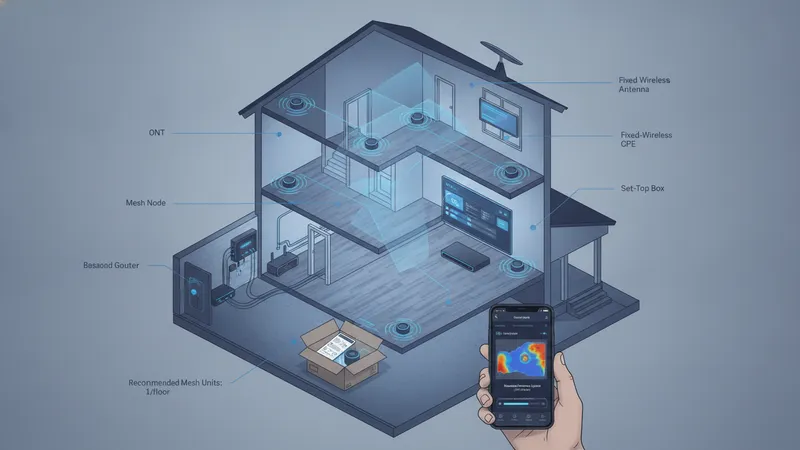
Whole-home Wi‑Fi solutions in bundled offerings usually aim to address coverage in multi-story homes or larger floor plans. Managed mesh systems with app-based diagnostics and remote firmware updates are common in provider-managed packages. Documentation often lists recommended coverage area or suggested number of mesh units per square footage. In the U.S., average single-family home sizes and device counts can inform these recommendations, and future bundle literature may provide more granular guidance tying specific internet tiers to typical mesh configurations.
DVR options can be local, cloud-based, or hybrid. Local DVRs on set-top boxes may permit immediate playback without relying on the broadband uplink, while cloud DVR enables cross-device access and versioned retention. For 2026, anticipated service-level adjustments might include longer cloud retention windows or tiered DVR storage that aligns with the selected internet and TV bundle. Providers often disclose whether recorded content can be streamed outside the home network and any limits on concurrent playback instances.
Installation and equipment support policies influence customer experience and total cost of ownership for bundled services. In the U.S., typical arrangements include technician installation for complex fiber terminations and optional self-install kits for gateway replacement or mesh node addition. Support materials commonly describe warranty terms, replacement procedures, and software update cadence. When evaluating 2026 service levels, stakeholders may look for clearer service documentation on remote troubleshooting, automated performance remediation, and transparent equipment ownership options.
Pricing models for combined Verizon Internet and TV bundles: Insights into Potential 2026 Features and Service Levels vary by geography, promotional period, and included features. In the United States, bundle pricing often reflects local competition and infrastructure costs; published ranges may shift seasonally. Analysts typically separate base recurring rates from optional add-ons such as premium channels, additional cloud DVR storage, or equipment rental. For forecasting 2026, observers may expect continued tiering where higher internet speeds align with broader channel/access bundles and enhanced cloud features.
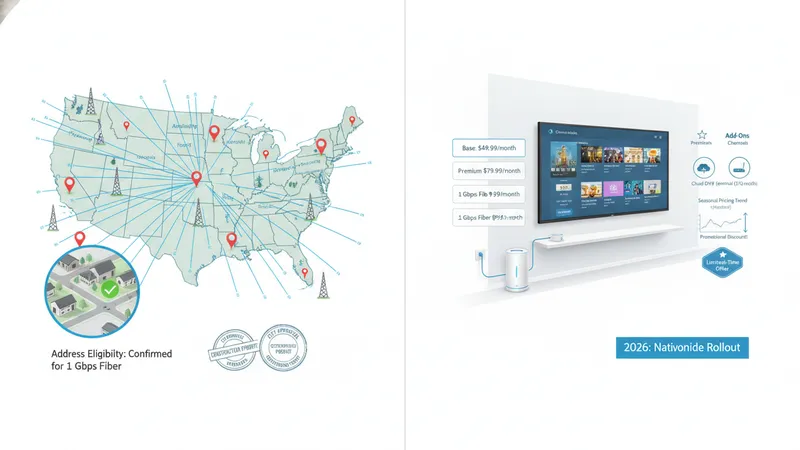
Availability and eligibility are constrained by physical network reach and regulatory factors. Verizon’s fiber footprint and fixed wireless coverage determine which households can access specific bundle configurations. In U.S. practice, availability maps and address-level checks are common tools used to confirm eligibility. For planning purposes related to 2026, stakeholders may review deployment schedules, municipal permitting timelines, and public announcements about fiber expansion to gauge when particular bundle options might become accessible in new markets.
Integration with mobile services and cross-device account management is increasingly relevant to bundle design. U.S.-focused bundle literature often describes account consolidation features, single billing, and shared data or device benefits that tie mobile plans to home internet. Future service levels may emphasize seamless handoff between mobile networks and in-home Wi‑Fi for streaming continuity, more integrated parental controls across devices, and unified usage dashboards that present home and mobile metrics in a single view as part of bundled account tools.
When comparing bundle options, a structured checklist helps keep assessments evidence-based: verify advertised versus typical speeds, check cloud DVR retention and concurrent playback limits, confirm device and mesh recommendations for household size, and review documented installation and support procedures. In the United States, consulting provider disclosures and regulatory resources can assist in making market-specific comparisons. These considerations form the basis for evaluating how bundle service levels may evolve through 2026 and for understanding trade-offs among speed, channel access, equipment, and support.