
Managing insects, rodents, and other common household pests typically involves identifying the species present, assessing the extent of activity, and applying a mix of targeted measures to reduce populations and limit damage. Practical in-home approaches emphasize observation, containment, and the use of physical, biological, or chemical tools where appropriate. Householders often combine short-term actions (for immediate reduction of visible pests) with longer-term adjustments to the environment that reduce attractants and harborage.
Effective domestic pest control generally relies on an evidence-based sequence: detect, evaluate, act, and monitor. Detection may include visual signs, droppings, or damage patterns; evaluation considers factors such as infestation size, locations affected, and potential risks to occupants or non-target animals. Actions can range from non-chemical options like exclusion and traps to targeted products designed for consumer use. Monitoring after intervention helps determine whether further steps or different methods may be required.
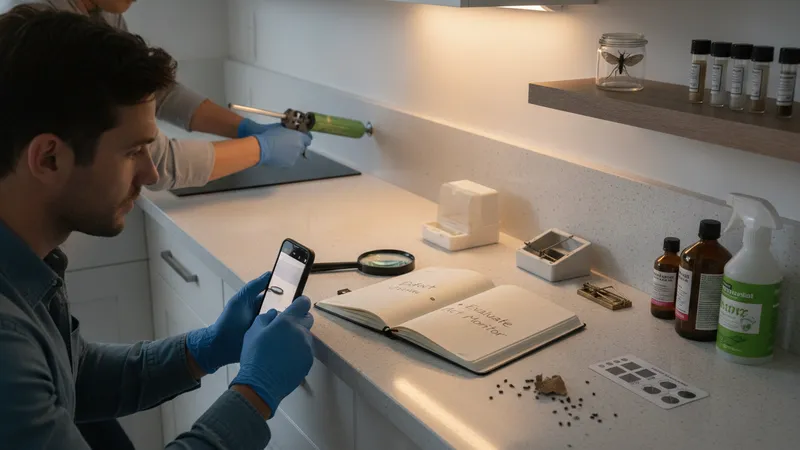
An IPM approach may often start with low-risk measures that reduce pest access to food, water, and shelter. For example, sealing cracks, storing food in rigid containers, and reducing clutter can make environments less hospitable. Where thresholds of concern are exceeded—such as visible damage to structural elements or sustained health-related exposures—selective treatment options may be introduced. The intent of a measured sequence is to minimize unnecessary product use while addressing the specific behaviours and biology of the pest species involved.
Mechanical controls and barriers often serve as both immediate and preventive tools. Traps can reduce small local populations while also providing diagnostic information about species and activity levels. Barriers such as screens, door sweeps, and mesh over vents can limit entry pathways, which may reduce recolonization pressure. These methods typically require periodic inspection and maintenance to remain effective and are most useful when combined with sanitation and habitat modification.
Consumer-use baits and contact products vary in formulation and mode of action; labels and regulatory guidance usually specify appropriate application areas, frequency, and safety precautions. For many homeowners, baits placed within tamper-resistant stations can reduce non-target exposure compared with loose formulations. Contact products applied to cracks, crevices, or localized areas may reduce active populations, but their effectiveness often depends on correct identification of target sites and timing relative to pest life stages.
Selecting among methods typically involves balancing effectiveness against potential risks and practicality. Factors that often influence choices include the pest species’ biology, site access, presence of children or pets, and tolerance for visible trapping or control devices. Home maintenance actions such as repairing leaks, improving ventilation, and managing landscaping may complement direct controls and reduce the need for repeated treatments. Record-keeping of observations and interventions can help refine strategies over time.
In summary, managing household pests commonly involves a coordinated set of actions that start with identification and inspection, proceed through targeted interventions, and include follow-up monitoring. Approaches may combine physical barriers, traps, and selective product use within an overarching framework that seeks to limit unnecessary applications. The next sections examine practical components and considerations in more detail.
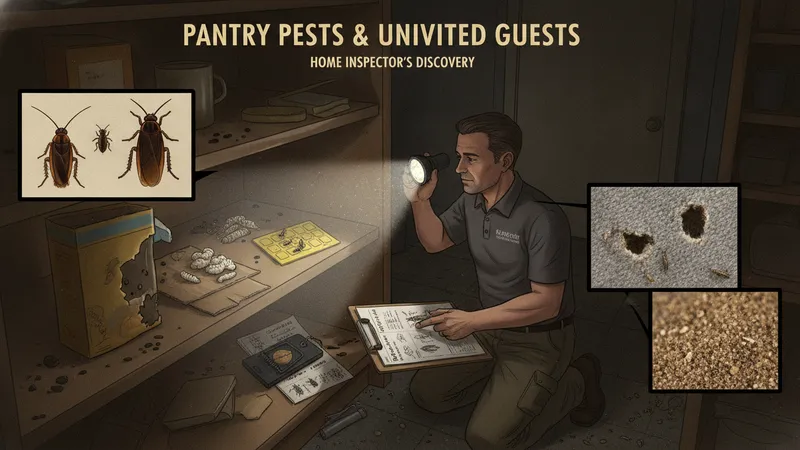
Accurate identification is a foundational component of practical in-home pest management. Visual cues such as droppings, chew marks, shed skins, or characteristic damage patterns can indicate whether the issue involves rodents, stored-food pests, cockroaches, or fabric pests. In some cases, photographed specimens or samples can be compared with authoritative online resources or field guides to refine identification before selecting control options. Understanding life stages—for example, larvae versus adult insects—often affects which interventions may be effective.
Inspection methods may include systematic room-by-room checks, focused searches in likely harborage areas (kitchens, basements, attics), and monitoring tools such as sticky cards or traps placed in suspected activity zones. Timing of inspections can matter: nocturnal species are more likely to be detected by signs rather than daytime observations. Documenting the location, frequency, and type of signs can help distinguish between incidental visits and established infestations that require broader measures.
Some household monitoring devices are intended for diagnostic use rather than long-term control; for instance, pheromone traps for stored-product moths help confirm presence and relative abundance. Traps used for rodents can simultaneously reduce numbers and indicate travel routes based on where catches occur. Data from monitoring should be interpreted conservatively, and patterns may prompt additional exclusion or sanitation work instead of immediate chemical interventions.
When inspections reveal structural vulnerabilities—gaps around utility entries, damaged screens, or voids in building fabric—these become priorities for exclusion work. Small changes like sealing crevices with appropriate materials, installing mesh over vents, and securing food storage can reduce reinfestation risk. These measures often complement any targeted treatments applied and may lower the frequency with which other controls are needed.
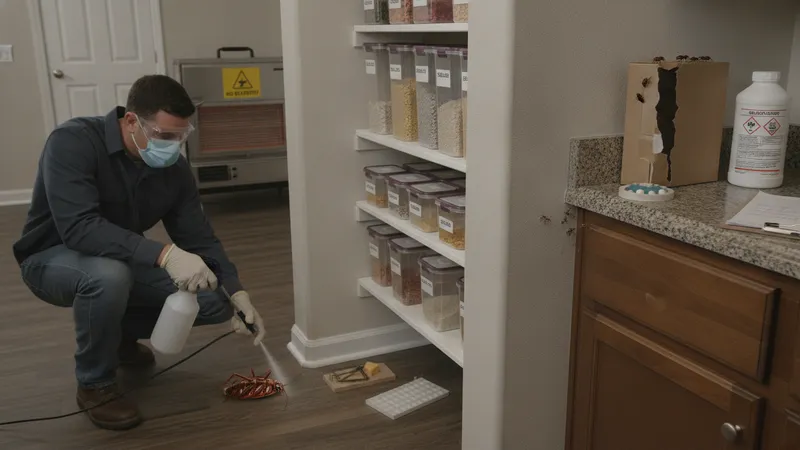
Treatment options for residential pests fall into several material categories that differ in mode of action, persistence, and appropriate application contexts. Contact pesticides provide immediate knockdown of exposed insects but may have limited residual effect in exposed surfaces. Baits are designed to be taken back into harbourage sites and can be effective against social insects or rodents when placed correctly. Physical devices—traps, heat treatments, or freezing—offer non-chemical alternatives for certain pests or infested items.
Selection among materials often requires consideration of occupant safety and the specific behaviour of the pest. For instance, baiting strategies for ants typically aim to target foraging workers that carry toxicants back to the colony, whereas surface spray applications may only affect visible individuals. For stored-product pests, removing and treating infested items or using sealed containers can be more effective than surface treatments alone. Labels and regulatory information provide guidance on safe application rates and re-entry intervals where applicable.
Application technique matters for effectiveness and risk management. For many contact products, treating cracks and crevices rather than open surfaces may reduce human and pet exposure while targeting pest pathways. Tamper-resistant bait stations can limit access to baits by non-targets. Non-chemical approaches such as temperature treatments or vacuuming may be useful for localized infestations of fabric pests or carpet-dwelling insects when combined with laundering or removal of infested materials.
Monitoring after treatment can indicate whether the chosen materials and placement achieved the intended reduction. Reassessment may show that additional actions—different formulations, more thorough exclusion, or habitat modification—are advisable. In multi-unit dwellings, coordination with neighbours or building managers can be necessary because pests may migrate between units, affecting the long-term effectiveness of isolated treatments.
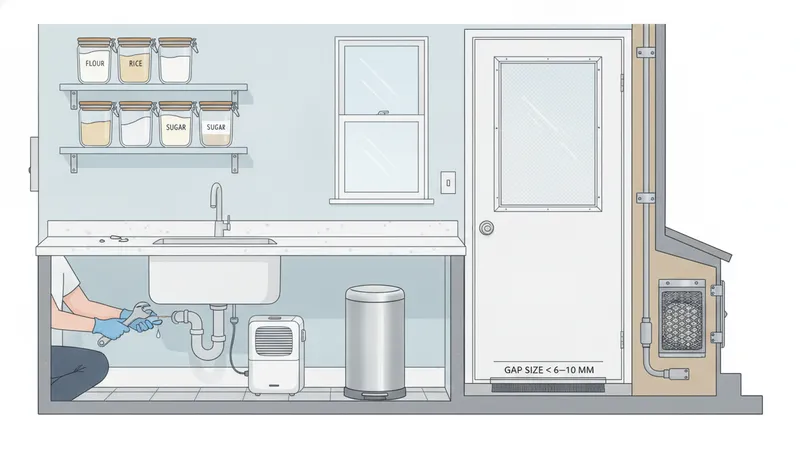
Preventive measures often focus on reducing the resources pests need: food, water, and shelter. Routine sanitation steps such as promptly cleaning food residues, storing dry goods in rigid containers, and managing garbage can reduce attractants. Addressing moisture sources—fixing leaks, ensuring adequate ventilation, and using dehumidifiers where appropriate—can make interiors less hospitable to many pests. These actions typically complement any direct control measures and may reduce the frequency of interventions needed.
Entry-point control targets the ways pests move from exterior to interior. Close-fitting door sweeps, repaired window and vent screens, and sealed utility penetrations reduce ingress opportunities. For rodents, sealing gaps larger than about 6–10 mm may be necessary depending on species, while insects may exploit smaller openings. Materials for exclusion can include silicone or polyurethane sealants, metal flashing, or appropriately sized mesh; the choice often depends on the location and expected wear.
Landscaping and exterior maintenance also influence indoor pest pressure. Vegetation that contacts the building can create bridges for crawling insects and provide harborage for rodents. Maintaining a perimeter free of debris, storing firewood away from the structure, and reducing standing water near foundations can lower the likelihood of introductions. These landscape adjustments are preventive in nature and may take time to change pest dynamics.
Behavioral and organizational practices contribute to sustained prevention. Simple routines—such as inspecting incoming groceries, rotating pantry items, and promptly dealing with food spills—may limit opportunities for stored-product pests. Regularly scheduled checks of attics, crawlspaces, and around appliances can identify conditions that favour pests before populations become large. Combining these habits with physical exclusion often yields more durable reductions in pest encounters.
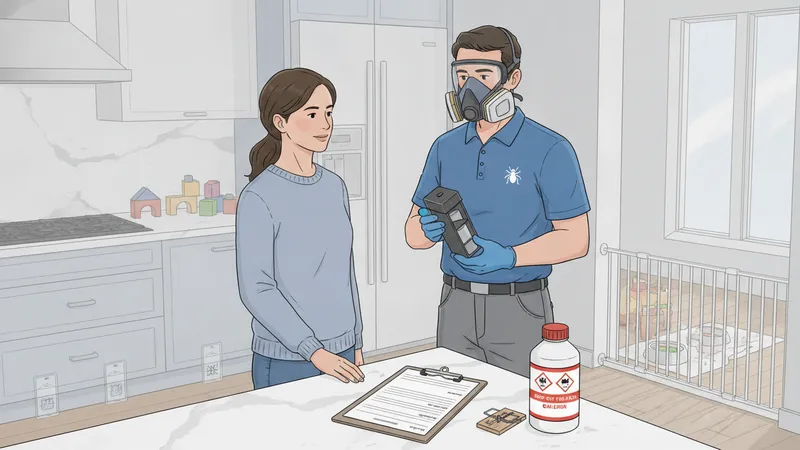
Safety considerations are central to any household pest-management plan. Product labels and local regulations typically specify safe usage, allowable application areas, personal protective equipment, and restrictions around food preparation zones or children’s areas. When considering products or methods, households may weigh the trade-offs between immediate efficacy and potential exposure; using low-risk placement strategies such as sealed bait stations can sometimes reduce non-target contact compared with broad-surface applications.
For larger or persistent infestations, professional services may be consulted; selection factors that people often consider include the scope of services offered, the methods used (chemical, mechanical, or IPM-based), and documented experience with specific pests. Prospective clients may request information on the materials and safety protocols technicians use, as well as any preparatory steps recommended for occupants. It is informative to ask for a written scope of work and follow-up monitoring plans when exploring options, noting that practices and credentials vary by jurisdiction.
Costs and timelines for professional intervention can vary with infestation size, pest species, and building complexity. Some treatments may require multiple visits spaced over life-cycle intervals to address eggs or wandering stages. Transparency about expected outcomes, monitoring procedures, and any occupant precautions is useful for aligning expectations. Records of interventions and monitoring results can assist with future preventive planning and help clarify whether additional exclusion or sanitation work is advisable.
Ultimately, safety-focused decision-making often combines targeted interventions with preventive maintenance and ongoing monitoring. Householders may prefer techniques that minimise exposure while addressing the biological behaviour of the pest. Documenting observations, treatment details, and any subsequent changes in activity can support adaptive management and reduce reliance on repeated broad applications. This information can also inform discussions with professionals when specialised services become appropriate.