
Local plumbing services cover the routine and specialized work performed by tradespeople who maintain and repair water, drainage, and related systems in residences. Understanding common residential plumbing services involves recognizing the range of tasks a local plumber may perform, the typical triggers for service calls, and the technical methods used. This concept frames plumbing as a set of discrete service categories—such as leak detection, drain cleaning, fixture installation, and water heater maintenance—each requiring specific diagnostic steps and tools.
Residents typically encounter plumbing needs that vary from small fixture adjustments to complex pipe repairs. Local plumbers often evaluate symptoms (reduced flow, visible leaks, odors, slow drains) and apply diagnostic techniques like camera inspection or pressure testing. Service delivery can involve temporary measures to contain damage and longer repairs or replacements. Clear descriptions of service scope help homeowners anticipate what a plumber may assess and which outcomes may follow from initial diagnostics.
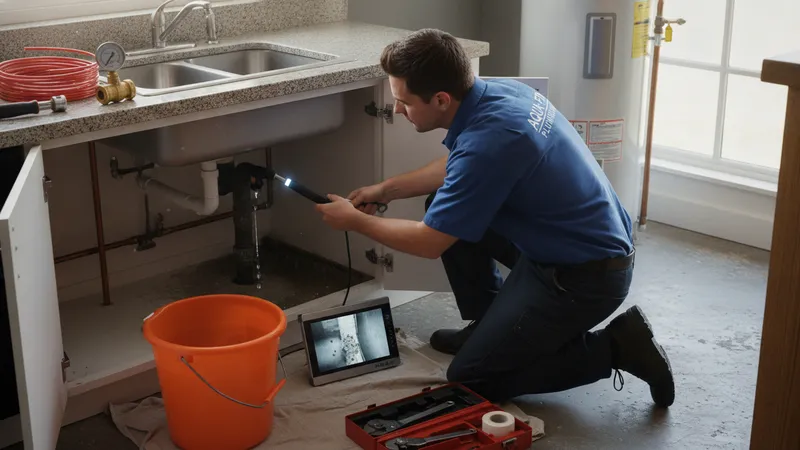
Leak detection and repair often begin with symptom identification: sounds of running water, unexplained increases in utility bills, or visible stains. Technicians typically use tools such as acoustic leak detectors, infrared imaging, and pressure gauges to locate the source. Repair options can range from replacing a failed fitting to relining or replacing a section of pipe. The chosen approach may depend on pipe material, access limitations, the age of the plumbing, and considerations about minimizing disruption to the residence.
Drain cleaning and pipe clearing can involve varied methods that match the nature and location of a blockage. Mechanical drain snakes may address hair and small debris in bathroom drains, while hydro-jetting can remove grease, scale, and heavier buildup from sewer lines. Plumbers often assess whether a recurring clog suggests a larger problem—such as tree-root intrusion or collapsed pipe—that may require imaging with a sewer camera and a different repair strategy. Preventive cleaning can reduce recurrence but may not eliminate all sources of obstruction.
Fixture and appliance work commonly performed by local plumbers includes faucet and valve repair, toilet servicing, and installing or connecting appliances such as dishwashers and washing machines. These tasks often involve both plumbing and basic carpentry considerations (access panels, cabinetry). Compatibility with existing supply lines and drain configurations is a practical factor; sometimes adaptors or partial rework are necessary. Technicians usually verify shutoff functionality and test for leaks after installation or repair to confirm operational integrity.
Inspections, emergency plumbing, and preventive maintenance form distinct service categories that address different risk profiles. Inspections may target potential failures before they escalate, using checklists that cover visible supply lines, venting, and fixtures. Emergency plumbing services typically focus on immediate hazard mitigation—stopping leaks, isolating water supplies, and removing standing water—followed by assessments for underlying causes. Preventive maintenance tasks such as seasonal checks, trap cleaning, and valve exercise can reduce the frequency of urgent repairs but do not guarantee absolute prevention of failures.
In summary, understanding common residential plumbing services means recognizing the service types, diagnostic approaches, and typical repair options a local plumber may provide. Each category—from leak detection to water heater maintenance—has tradeoffs in technique, access, and expected outcomes that may affect time and cost. The next sections examine practical components and considerations in more detail.
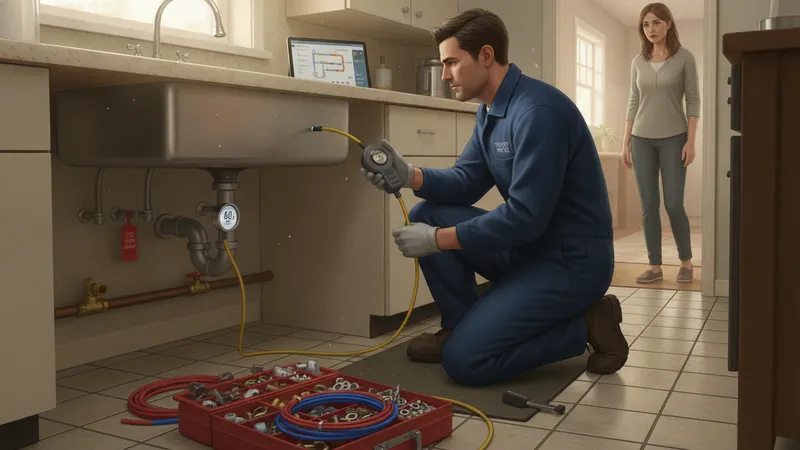
Residential plumbing services commonly break down into identifiable categories that may overlap in practice. For example, a leak repair might require temporary emergency isolation, a full pipe replacement, and follow-up inspections. Technicians often document findings and separate labor into diagnostic time, repair time, and any parts required. Understanding these categories helps clarify what to expect during a service call and how different tasks are sequenced when multiple issues coexist in a single residence.
Diagnostic methods vary by service type and may include visual inspection, pressure testing, video camera inspection, and non-invasive electronic detection. These methods often provide different levels of certainty: camera inspection may reveal internal pipe damage, while pressure testing can indicate a loss of system integrity without specifying location. Combining techniques often yields a clearer picture but can increase diagnostic time. Homeowners typically receive an account of findings that explains whether further evaluation or repair is recommended.
Some services are preventive in nature and may be scheduled periodically, such as annual water heater maintenance or routine drain clearing. Others are reactive—responding to sudden leaks, backups, or fixture failures. Recognizing the difference can influence how a homeowner prioritizes time and resources. Preventive tasks may reduce the frequency of emergencies by addressing wear or minor blockages before escalation, though they do not eliminate the possibility of future issues caused by aging infrastructure or unexpected events.
Tool and material selection is another practical aspect tied to service types. Common tools include drain augers, hydro-jetting equipment, inspection cameras, pipe wrenches, and fittings for various pipe materials (copper, PEX, PVC). Material choice for repairs often depends on existing systems and compatibility considerations; in some cases, modern materials can be integrated with older systems but may require connectors or slight reconfiguration. Technicians often note material differences and potential impacts on longevity during service reports.
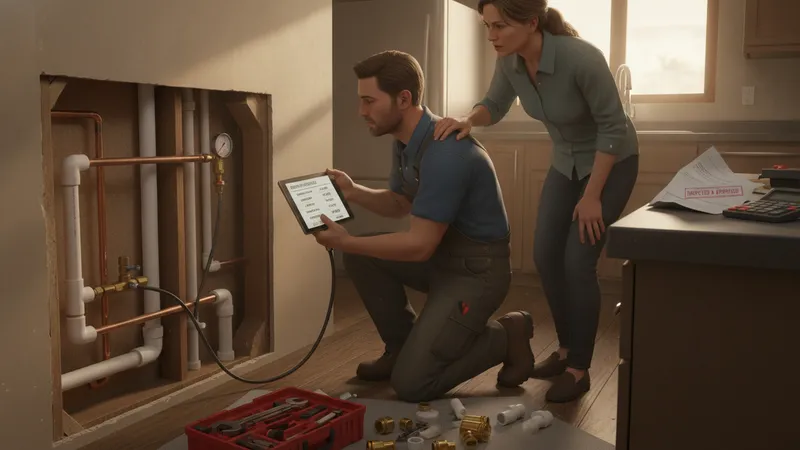
Costs for residential plumbing services may reflect several components: diagnostic fees, labor rates, parts and materials, and any specialized equipment rental or use. Diagnostic procedures such as camera inspections or pressure testing may be charged separately or included in an overall estimate, depending on local practice. Repair complexity, accessibility, and the need for permits or third-party inspections can also influence total expense. Describing costs in terms of components rather than single figures helps set realistic expectations without implying fixed prices.
Labor is typically a significant portion of service cost and can vary by region and the experience level of technicians. Some firms and independent plumbers use flat-rate pricing for common tasks, whereas others bill by the hour plus parts. Accessibility factors—working in tight spaces, removing fixtures, or performing work behind walls—may increase labor time. When planning for service, it is useful to consider both immediate repair needs and potential follow-up work that may reveal additional issues after initial access is gained.
Parts and materials contribute to variability in costs. Replacing a small valve uses fewer materials than a partial repipe, and material types (for example, brass fittings versus plastic connectors) can alter expenses. In some situations, temporary repairs address immediate issues pending a more comprehensive replacement; these staged approaches may spread cost over time but can result in multiple service events. Warranty coverage on parts or workmanship can also affect long-term cost considerations and may be described in service documentation.
Emergency or after-hours services often carry higher rates due to availability and response requirements. Time-sensitive responses focus on mitigation to prevent property damage—stopping water flow, isolating systems, and arranging for drying and remediation as needed. Planning for typical maintenance and scheduling non-urgent repairs during regular hours may reduce the likelihood of higher emergency fees, but unexpected events can still necessitate immediate action. Consideration of timing and resource allocation is a practical part of managing residential plumbing needs.
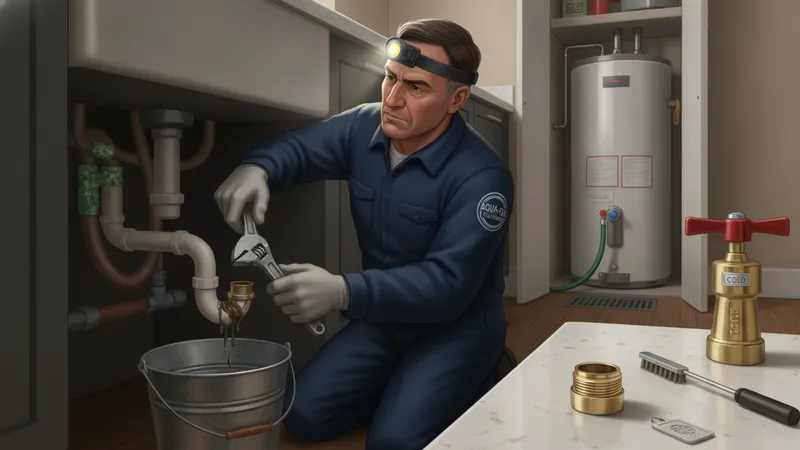
Routine maintenance and inspections may identify slow-developing issues before they necessitate major repairs. Inspections often include checking for signs of corrosion, testing shutoff valves, verifying adequate pressure, and examining visible drainage. Regular inspection intervals can vary based on system age and usage patterns; for example, a household with high water usage or older piping may benefit from more frequent reviews. Inspection findings typically guide prioritized maintenance actions rather than imposing a single mandatory schedule.
Preventive maintenance tasks commonly performed by plumbing technicians include flushing water heaters, cleaning aerators and strainers, and clearing trap assemblies. These tasks can maintain flow and reduce sediment-related wear in fixtures and appliances. Preventive approaches may be more cost-effective over time than repeatedly addressing the same recurring symptom, though preventive measures do not entirely prevent sudden failures due to unforeseen material fatigue or external damage.
Emergency response focuses first on controlling water flow and limiting damage, often through shutting off water supply to affected zones and applying temporary containment. After immediate mitigation, technicians generally assess underlying causes and propose repair pathways that may include temporary fixes or full replacements. Post-emergency work can also involve coordination with insurers or restoration services when water damage affects finishes and structural elements, and documentation of the incident may be provided for claims processes.
Inspection reports and maintenance records serve as useful references for homeowners, showing what was checked and any recommended follow-up. These documents can clarify the scope of work performed, the condition of components, and suggested timelines for future attention. Keeping records over time may reveal patterns—such as recurring blockages at particular fixtures—that suggest systemic issues needing more in-depth solutions. Such records assist in planning both maintenance and larger repairs.
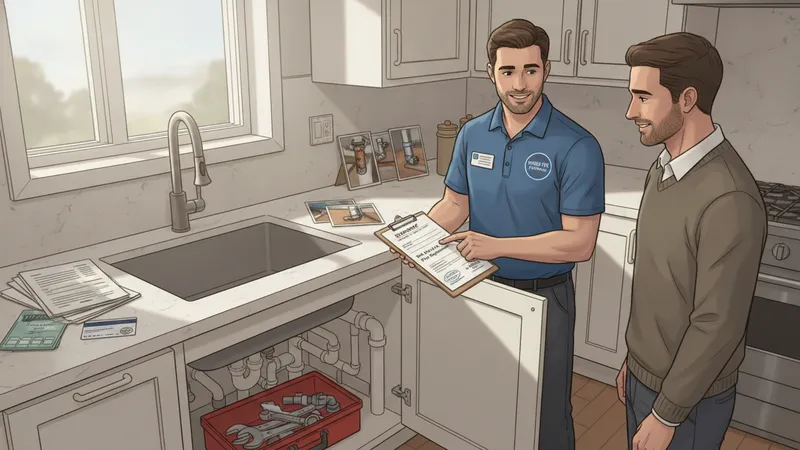
Selecting a plumbing professional often involves verifying credentials such as licensing, insurance, and applicable local permits. Credentials typically indicate that a technician has met regulatory or trade standards in their jurisdiction. Homeowners may review written estimates and service descriptions to compare scope and clarity. Clear communication about expected steps, potential access needs, and timeframes can support a shared understanding of the work; this information is commonly included in pre-service discussions or written estimates.
When engaging a plumber, consider asking for documentation of past inspections or repairs relevant to a current issue. These records may provide context about prior interventions and materials used, which can inform appropriate repair choices. Warranties on parts and workmanship may be described in written terms; understanding the duration and coverage details helps set expectations without implying absolute protection against future failures. Transparent documentation supports informed decisions and follow-up tracking.
Communication during and after service often includes confirmation of what was tested, parts replaced, and any limitations encountered (such as inaccessible piping). Photographs or camera inspection footage may be provided to illustrate internal conditions. Where multiple repair paths exist, technicians may outline what each approach involves and the relative implications for disruption or longevity, stated in measured terms rather than definitive guarantees. Such explanations can help householders weigh options consistent with their priorities.
Post-service considerations include retaining invoices and inspection reports for future reference and noting any changes in system behavior after repair. Observing fixtures and system performance in the days following service can help identify whether follow-up attention is advisable. Maintaining a schedule for routine maintenance and inspections may support longer-term system reliability, though it does not eliminate the possibility of unexpected issues. These practices contribute to informed stewardship of residential plumbing systems.