
In many scientific and technical settings, a range of physical items supports experimental, diagnostic, and analytical work. These items include measuring instruments, containers, personal protective items, and single‑use consumables intended to enable repeatable procedures and safe handling of materials. They are selected to match the methods, materials, and environmental controls of a given workflow, and they often carry specifications for compatibility, accuracy, and storage.
Selection and use of these laboratory materials and equipment commonly involve evaluation of physical properties, manufacturer specifications, and institutional safety policies. Components may vary by material (glass, plastic, metal), intended use (analytical measurement, sample handling, storage), and lifecycle (single use versus reusable). Proper labeling, traceability, and conformity with relevant standards can be part of routine management for these items.
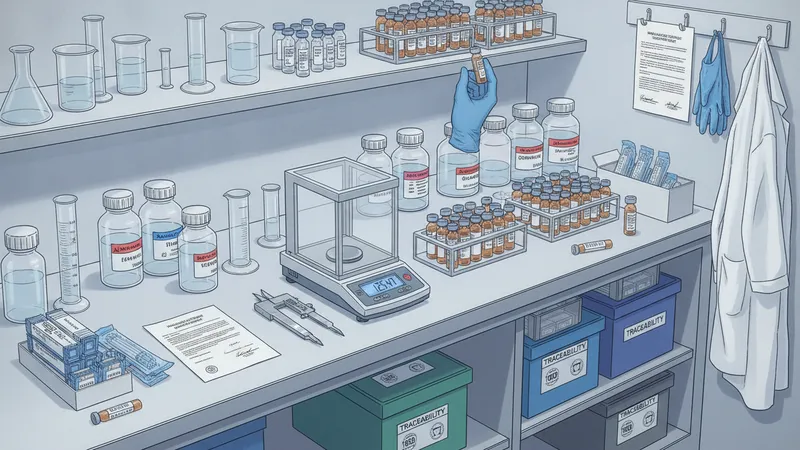
Compatibility considerations often center on chemical resistance and material interactions. For example, some plastics may absorb organic solvents or allow permeation of volatile compounds, while certain glass types resist high temperatures but can be susceptible to alkali corrosion. Suppliers typically provide chemical compatibility charts that may be used as references, and many institutions maintain their own approved materials lists. This compatibility evaluation can influence whether items are single-use or reusable and which cleaning or sterilization methods are appropriate.
Accuracy and measurement characteristics commonly determine the selection of measuring instruments. Volumetric glassware is often specified for nominal accuracy within stated tolerances, and pipettes may require annual calibration or verification to maintain traceability. Measurement tools also differ in ergonomics and precision: for instance, analytical balances typically offer higher sensitivity than top-loading models but may require more controlled environmental conditions. Consideration of required precision and routine verification needs can inform procurement and maintenance planning.
Durability and maintenance needs vary between consumables and instruments. Consumables such as tips and disposable tubes typically prioritize sterility and consistent single-use performance, while reusable items like glassware or centrifuges require cleaning, inspection, and functional checks. Maintenance schedules often include routine inspections, replacement of wear parts, and record-keeping for calibration or repairs. Lifecycle costs can therefore include both the initial acquisition and the ongoing service or replacement frequency.
Storage and handling requirements commonly affect both safety and analytical integrity. Temperature-sensitive reagents or materials may need cold storage with monitored temperature logs, while light-sensitive chemicals often require opaque containers. Proper shelving, secondary containment for hazardous liquids, and clear labeling contribute to reduced risk of cross-contamination or degradation. Inventory controls and first-in/first-out practices may be applied to manage shelf life and traceability.
Overall, the material and instrument categories introduced above may be evaluated through interrelated criteria: compatibility with sample matrices, measurement accuracy, durability and maintenance needs, and storage constraints. Each criterion can influence selection for a particular application without implying a single optimal choice. The next sections examine practical components and considerations in more detail.
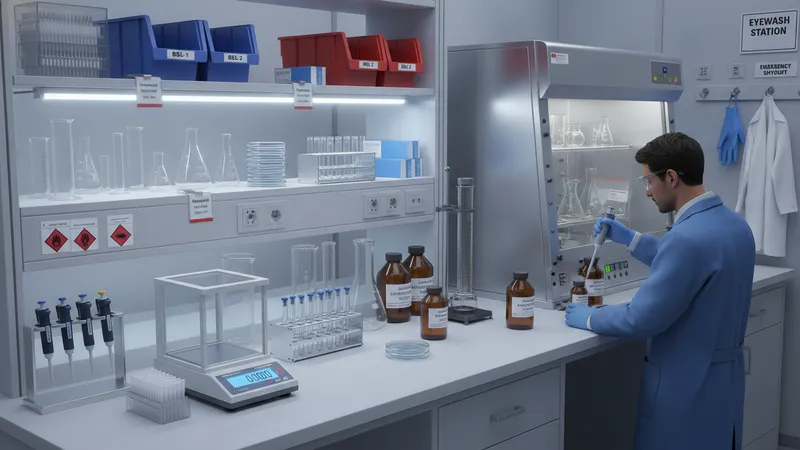
Laboratory supply categories often map to functional roles such as measurement, containment, protection, and processing. Measurement tools include balances, pipettes, and meters that provide quantitative data; containment items include glassware, tubes, and plates for sample management; protection covers PPE and engineering controls intended to reduce exposure; processing supplies encompass filters, columns, and reagents used in sample preparation. Understanding these roles helps match specific items to protocols and reduces the risk of mismatches between equipment capability and task requirements.
When detailing types, it can be useful to note common subcategories: volumetric versus graduated glassware for liquid handling, manual versus electronic pipettes for different throughput levels, and single-use versus autoclavable items for sterility considerations. Many facilities classify supplies by biosafety level, chemical hazard class, or cleanroom compatibility to streamline procurement and storage. Such classifications may influence handling procedures and training expectations for personnel who interact with the items.
Volume and throughput needs often affect the mix of supplies. High-throughput workflows may favor multichannel pipettes and plate-compatible consumables, while research requiring precise microvolumes may emphasize single-channel, high-accuracy pipettes and low-retention tips. Storage footprint and waste generation are practical constraints that can influence choices between disposable and reusable items. These operational patterns typically emerge from workflow analysis and may be periodically reassessed.
Institutions sometimes document standard sets or kits for routine procedures to ensure consistency across users. These standardized groupings can include validated reagents, matched glassware sizes, and calibrated instruments that together support defined methods. Standardization may reduce variability, simplify training, and make inventory management more predictable, while still allowing flexibility for specialized experiments that fall outside routine procedures.
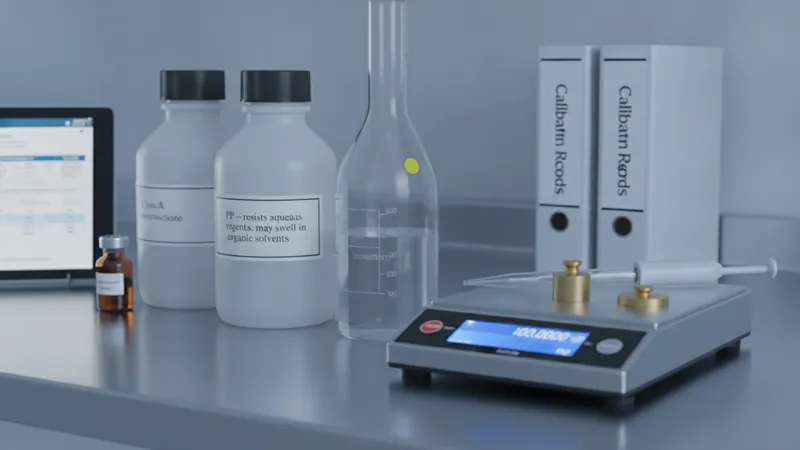
Compatibility encompasses chemical, thermal, and mechanical interactions between materials and substances handled. For example, polypropylene commonly resists many aqueous reagents but may swell in certain organic solvents; borosilicate glass tolerates thermal cycling but can react with strong alkalis over time. Evaluating compatibility often involves consulting manufacturer data, material safety data sheets (MSDS), and institutional references. This evaluation can determine acceptable cleaning agents and identify conditions where single-use components are preferable to avoid degradation or contamination.
Measurement accuracy and precision requirements guide instrument selection and calibration routines. Volumetric flasks and Class A pipettes provide specified tolerances that are suitable for certain analytical methods, while lower-tolerance items may be sufficient for gross measurements. Calibration intervals are typically based on usage frequency, manufacturer recommendations, and quality management policies. Routine verification procedures may include weighing checks for pipettes or use of certified reference standards for balances and meters to maintain traceability.
Traceability and documentation practices are often integral to compliance with laboratory quality systems. Labeling conventions, lot tracking for consumables, and records of calibration or maintenance contribute to reproducibility. Some labs implement barcode or RFID systems to track inventory and link items to analytical results. These systems can reduce human error in chain-of-custody and help identify expired or recalled batches of consumables when issues are detected.
Environmental conditions can affect measurement performance: temperature, humidity, and vibration may influence balances and sensitive instruments. When high precision is required, instrument placement and environmental controls are considered part of the supply planning process. Practical steps often include using temperature‑stable benches for balances, vibration-damping mounts for microscopes, and controlled storage for standards and reference materials. These considerations may be included in standard operating procedures rather than treated as ad hoc adjustments.
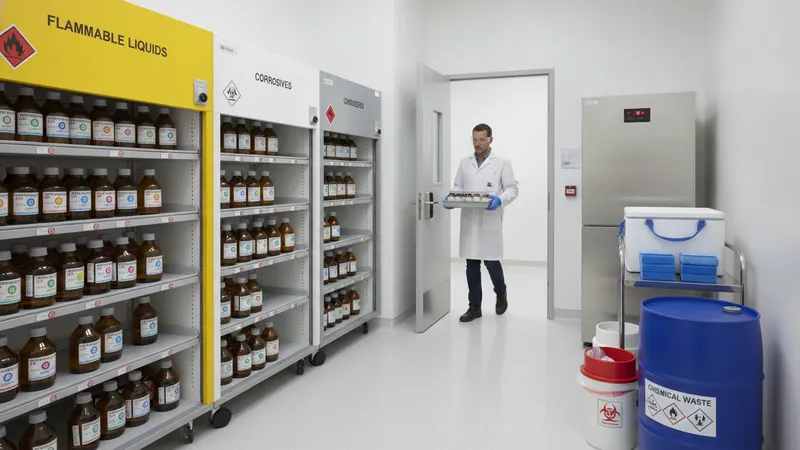
Proper storage reduces hazards and preserves the integrity of supplies. Segregating corrosives, flammables, and oxidizers in compatible cabinets, applying secondary containment for liquid storage, and controlling access to high-hazard areas are common practices. For biological materials, cold-chain management and secure freezers with temperature alarms may be necessary. Clear labeling that includes hazard information, storage temperature, and lot numbers supports safe handling and traceability across users and shifts.
Handling practices frequently emphasize spill prevention and containment. For instance, containers with secure caps and secondary trays may be used when transporting liquids between work areas. Chemical compatibility of cleaning agents with container materials is often reviewed to avoid damaging storage vessels. Additionally, waste segregation for sharps, biohazardous materials, and hazardous chemical waste follows local regulations and institutional policies to reduce exposure and environmental impact.
PPE selection aligns with the hazards presented by tasks and materials. Nitrile gloves are commonly used for general chemical handling, while specific solvents may require thicker or specialty materials; eye protection standards vary by risk of splashes or flying particles. PPE use is typically accompanied by training on correct donning and doffing, inspection for integrity, and disposal or laundering protocols. These elements function within broader engineering controls and administrative procedures to manage risk.
Inventory management and stock rotation are practical safety measures as well as quality measures. First‑in/first‑out approaches, visible expiry tracking, and periodic audits can reduce the use of degraded consumables and decrease the likelihood of conducting procedures with compromised materials. Many labs adopt inventory software or periodic manual checks to ensure items are stored under recommended conditions and to identify when replacements or maintenance are needed.

Durability influences lifecycle costs and maintenance planning for reusable items. Materials such as stainless steel and certain plastics are chosen for corrosion resistance and ease of cleaning, while precision instruments may require preventive maintenance contracts. Life expectancy can depend on frequency of use, exposure to harsh chemicals, and cleaning methods. Institutions often weigh the higher upfront cost of durable equipment against the cumulative expense and waste associated with frequent disposable replacements.
Maintenance practices typically include routine cleaning, inspection for wear, calibration, and replacement of consumable wear parts. For example, pipette seals, balance calibration weights, and centrifuge rotor inspections are recurring tasks that may be scheduled monthly, quarterly, or annually depending on use and regulatory requirements. Documentation of these activities contributes to quality assurance and may be required for accreditation or audit processes.
Procurement considerations often encompass specification clarity, supplier reliability, and compatibility with existing infrastructure. Detailed specifications for dimensions, materials, and performance tolerances reduce the risk of receiving items that do not fit workflows. Some organizations standardize on a limited set of approved items to simplify stocking and maintenance, while others allow broader selection for specialized needs. Tendering and vendor evaluation processes may incorporate lead times, warranty terms, and availability of technical support as part of procurement decisions.
Waste management and environmental impacts are increasingly considered during procurement and lifecycle planning. Choosing materials that allow for safe disposal, recycling where available, or reduced hazardous waste generation can align laboratory operations with environmental policies. End-of-life planning for durable instruments, including decontamination and responsible disposal or repurposing, is often part of institutional sustainability and compliance programs. These elements are framed as considerations rather than prescriptive actions.